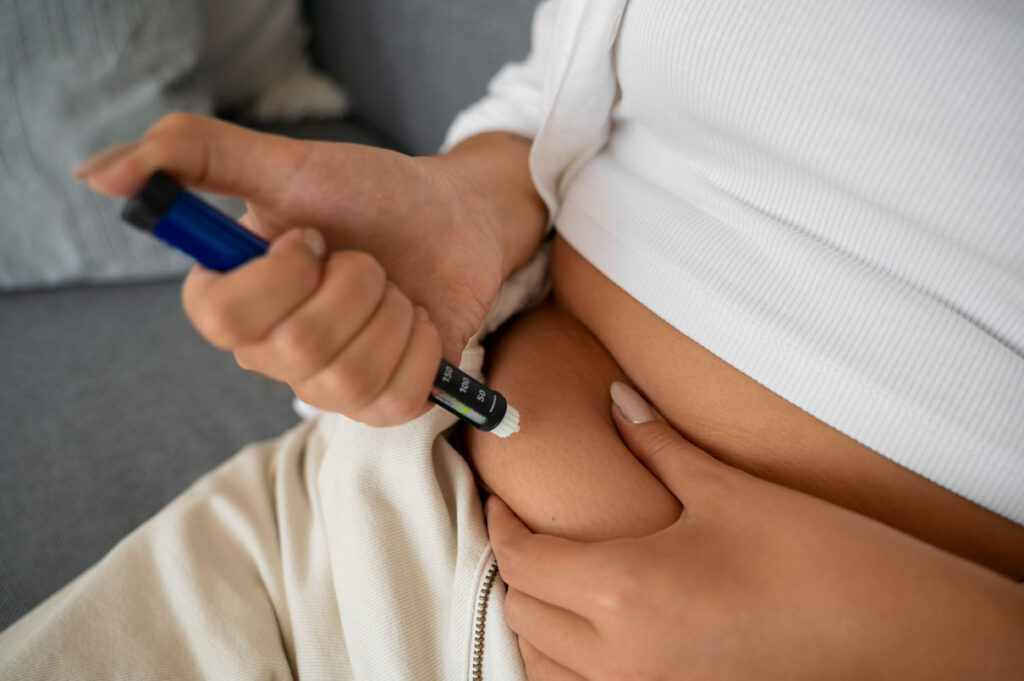
Some of our favourite celebs are dropping the kilos “the easy way” by using Glucagon-Like Peptide-1 Receptor Agonists (GLP-1 RAs) – medications originally developed to manage type 2 diabetes. Although these have proven clinical benefits, it’s important to know the potential side-effects before taking the shots.
In August 2025, Ozempic® (semaglutide) – one of the most popular GLP-1 Ras – faced heightened global scrutiny after more than 1 800 lawsuits were filed in the United States alleging serious and under-disclosed side effects, including gastrointestinal tract complications and irreversible vision loss.
This wave of legal action and media coverage sparked widespread concern, prompting renewed attention to the safety profile of GLP-1 RAs. Dr Nkateko Msimeki and the Medscheme Health Policy Unit’s latest newsletter clarifies the uses and potential side effects of these medications.
What they’re used for
Initially introduced for managing type 2 diabetes, GLP-1 RAs aid blood sugar control by stimulating insulin release and reducing glucagon production. They are now also widely recognised for their role in weight-loss as they suppress one’s appetite and also slow gastric emptying, contributing to significant reductions in food intake. These drugs have also shown promise in reducing cardiovascular risks.
Several GLP-1 RAs are available in South Africa, including semaglutide (Ozempic®), liraglutide (Victoza®), and dulaglutide (Trulicity®). All are approved for type 2 diabetes and cardiovascular risk reduction. Semaglutide and liraglutide also have formulations registered for weight management – Wegovy® and Saxenda®, respectively. Tirzepatide (Mounjaro®), a newer entrant to the local market, works via a dual GIP/GLP-1 mechanism and is currently registered for type 2 diabetes.
Common side effects
As with any medication, GLP-1 RAs come with potential side-effects. Gastrointestinal issues, including nausea, vomiting, diarrhoea and abdominal pain are among the most frequently reported, affecting up to half of users. Other side effects include headaches, dizziness and mild reactions at injection sites.
While uncommon, some side-effects warrant immediate medical attention, including severe complications such as pancreatitis, kidney impairment and the formation of gallstones. Emerging concerns now include mental health risks, such as suicidal ideation (although no definitive link has been confirmed), gastric paralysis, and loss of vision.
Balancing benefits and risks
Despite the potential side-effects, GLP-1 RAs still have a favourable benefit-to-risk profile when used as intended under medical supervision. In the hands of healthcare professionals, these drugs represent an advanced tool in diabetes and weight management. However, patients need to be alert and report any unusual symptoms as they arise. It’s also very important to avoid counterfeit or unregulated products.
Click here to read Dr Nkateko Msimeki and the Medscheme Health Policy Unit’s full newsletter.