Key health awareness days and weeks provide crucial opportunities for us to focus our attention on important health issues affecting our communities.
January
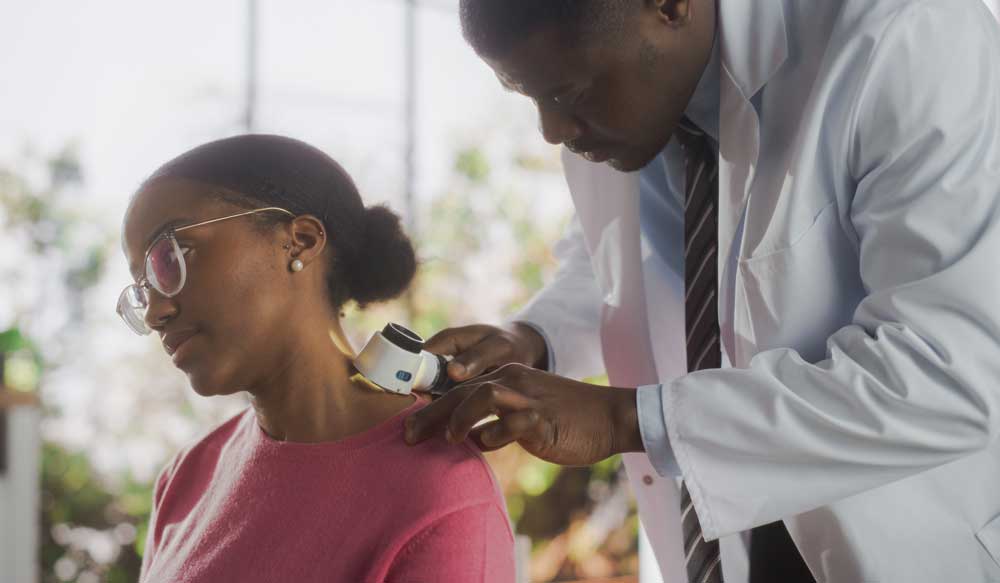
Skin Cancer Awareness Month
January marks SunSmart Skin Cancer Awareness Month, a vital time to focus on prevention and early detection of skin cancers, emphasising the importance of sun protection and regular skin examinations.
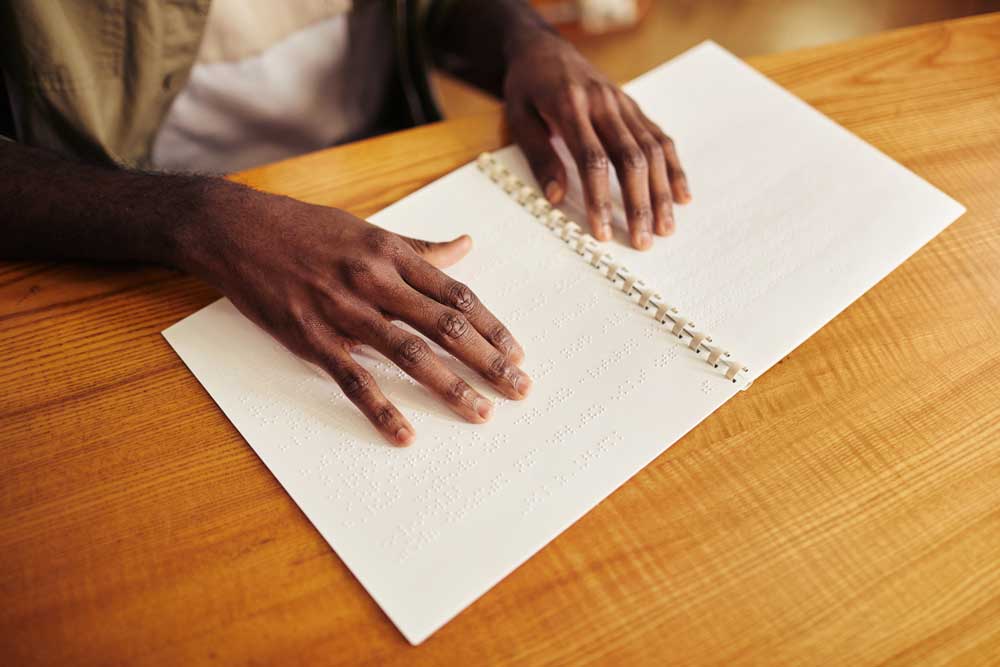
World Braille Day
(4 January)
World Braille Day celebrates the birthday of Louis Braille and raises awareness about the importance of Braille as a communication method for those with visual impairments. The day also highlights the need for full accessibility and inclusion for blind and visually impaired people. Read our article, A culture of inclusion, for tips on how you can help accommodate a colleague with visual or hearing impairments.
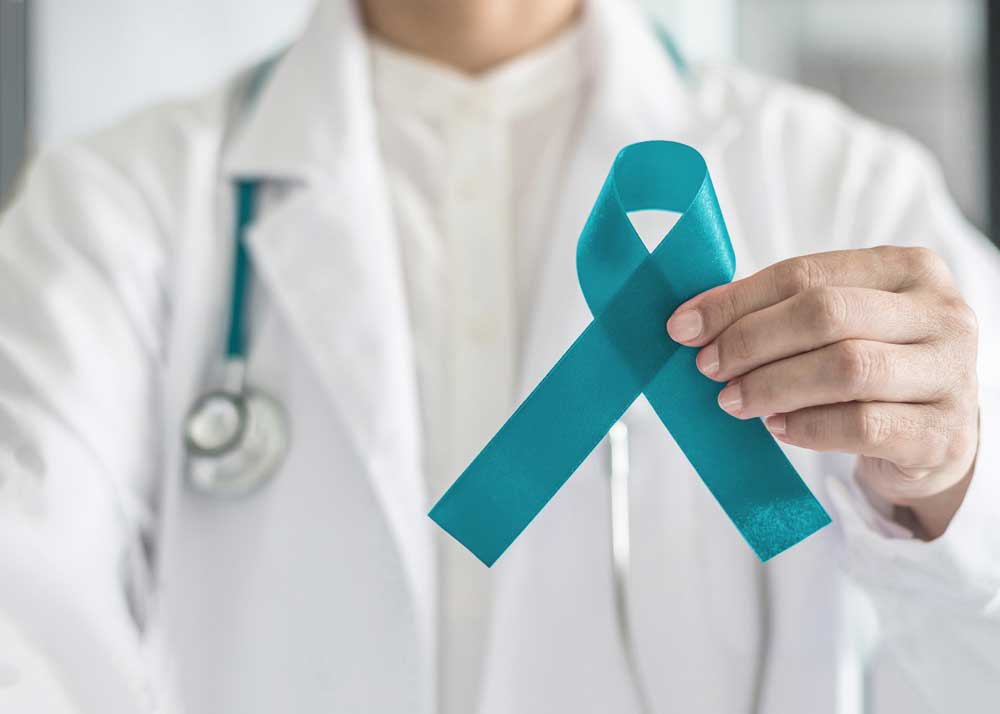
Cervical Cancer Awareness Week
(19-25 January)
This crucial week focuses attention on cervical cancer prevention, screening, and treatment. Cervical cancer awareness emphasises the importance of regular Pap smears and HPV vaccination in beating this preventable form of cancer. Read our article, Your health in your hands, for tips to spot cervical cancer.
February
Pregnancy Awareness Week
(3-7 February)
The South African Health Department designates this week to strengthen pregnancy education and promote healthy pregnancies and safe motherhood, focusing on prenatal care, maternal health, and the importance of proper healthcare throughout pregnancy. Read our article, Happy, healthy moms, for more about pregnancy health awareness.
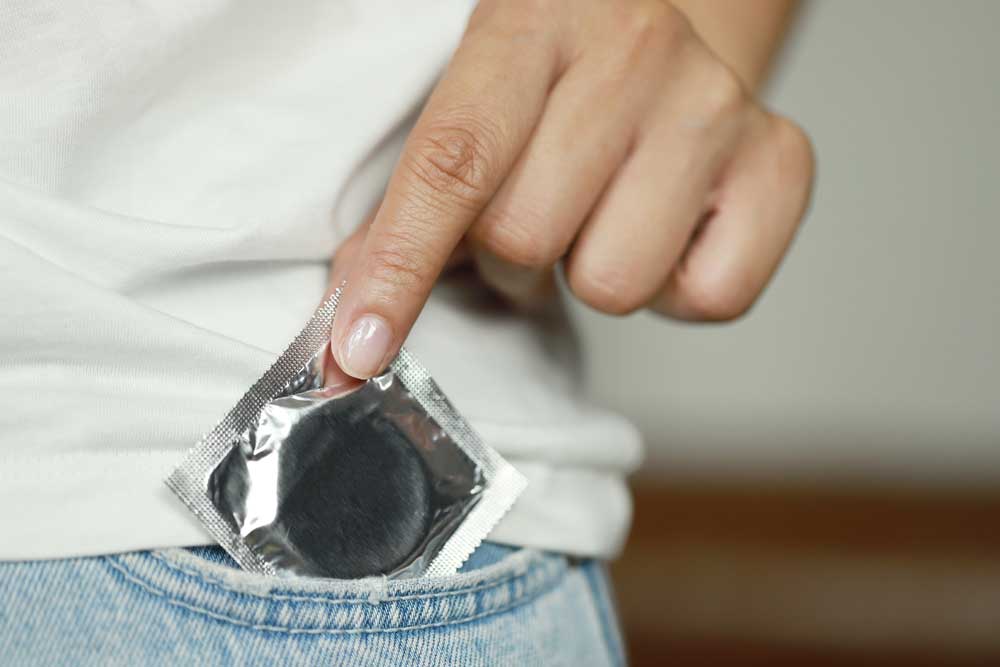
STI/Condom Week
(3-7 February)
Running concurrently with Pregnancy Awareness Week, STI/Condom Week promotes sexual health awareness and safe sexual practices. This campaign emphasises the importance of prevention, testing, and treatment of sexually transmitted infections, as well as responsible sexual behaviour.
World Cancer Day
(4th February)
Recognised globally by the World Health Organisation, World Cancer Day aims to reduce the global impact of cancer through education, advocacy, and action. This day unites people worldwide in the fight against cancer, promoting awareness about cancer prevention, detection, and treatment.
International Epilepsy Day
(9 February)
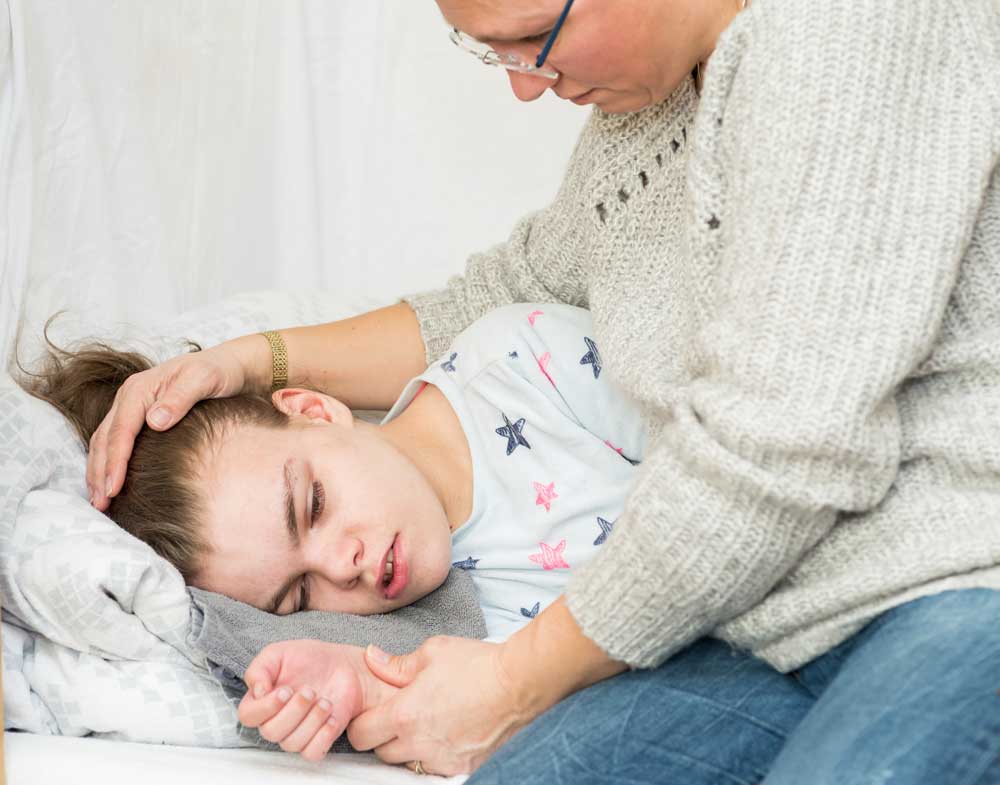
This observance raises awareness about epilepsy, a neurological disorder affecting millions globally. International Epilepsy Day aims to reduce stigma and discrimination while promoting understanding of the condition and the importance of proper medical care and support for those living with epilepsy.
Healthy Lifestyle Awareness Day
(20 February)
This day promotes the adoption of healthy lifestyle choices, including regular physical activity, balanced nutrition, and wellness practices. It serves as a reminder of the fundamental role that lifestyle choices play in preventing chronic diseases and maintaining overall health and wellbeing.
March
International Wheelchair Day
(1 March)
International Wheelchair Day honours wheelchair users, celebrates the independence and freedom wheelchairs provide, and raises awareness for better accessibility and the need for appropriate wheelchairs for the millions who lack them. Read our article, Beyond mobility, where we talk to wheelchair user Xolani Sello
World Hearing Day
(3 March)
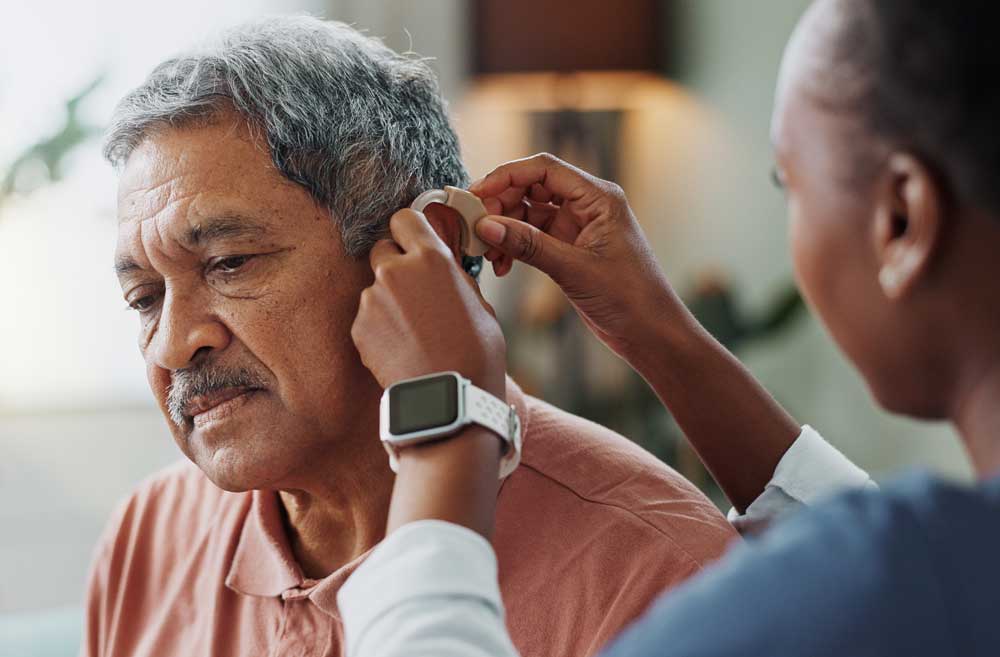
The WHO’s World Hearing Day raises awareness about hearing loss prevention and promotes ear and hearing care globally. This observance highlights the importance of early detection and intervention for hearing problems while advocating for accessible hearing healthcare services for all. Read our article, A culture of inclusion, for tips on how you can help accommodate a colleague with visual or hearing impairments.
World Birth Defects Day
(3 March)
This day focuses attention on birth defects prevention, care, and surveillance. It promotes awareness about congenital disorders, emphasising the importance of prenatal care, genetic counselling, and comprehensive healthcare for children born with birth defects and their families.
World Obesity Day
(4 March)
World Obesity Day aims to stimulate and support practical actions to help people achieve and maintain a healthy weight. This observance highlights obesity as a serious health condition requiring comprehensive prevention and treatment approaches at individual and societal levels.
World Glaucoma Day
(12 March)
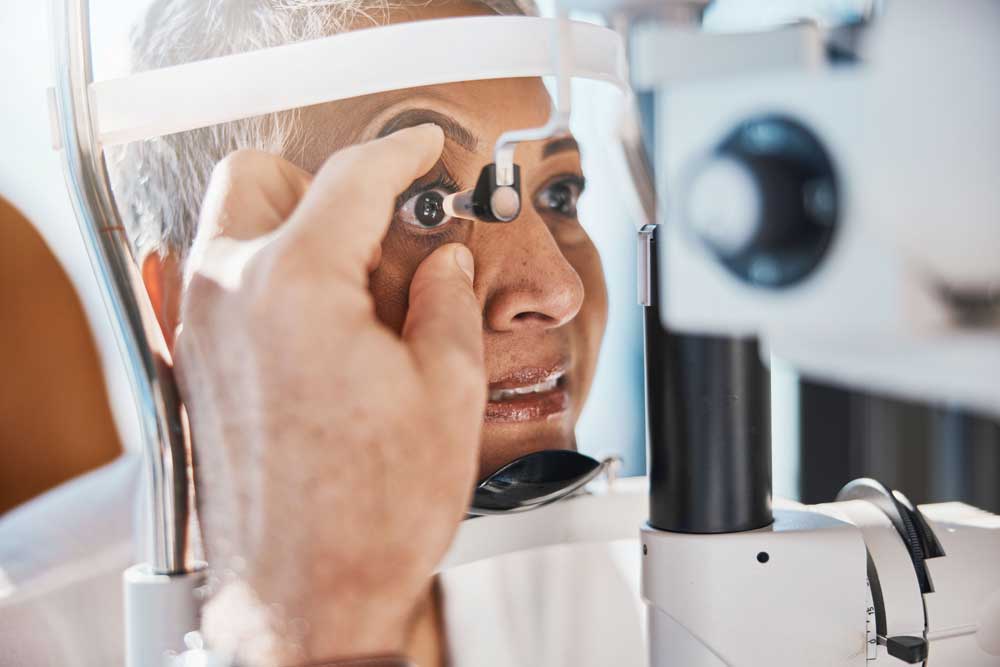
Glaucoma is often called the “silent thief of sight” because it typically shows no early symptoms. World Glaucoma Day emphasises the importance of regular eye examinations for early detection and treatment to prevent irreversible vision loss.
World Down Syndrome Day
(21 March)
This day promotes awareness, inclusion, and advocacy for people with Down Syndrome. The observance celebrates the lives and achievements of people with Down Syndrome whilst advocating for their rights, inclusion, and wellbeing in all aspects of society.
World TB Day
(24 March)
World TB Day commemorates the date when Dr Robert Koch announced his discovery of Mycobacterium tuberculosis, the bacteria that causes tuberculosis. This day raises awareness about the devastating health, social, and economic consequences of TB while mobilising political and social commitment to accelerate progress in ending the global TB epidemic.
April
World Autism Awareness Day
(2 April)
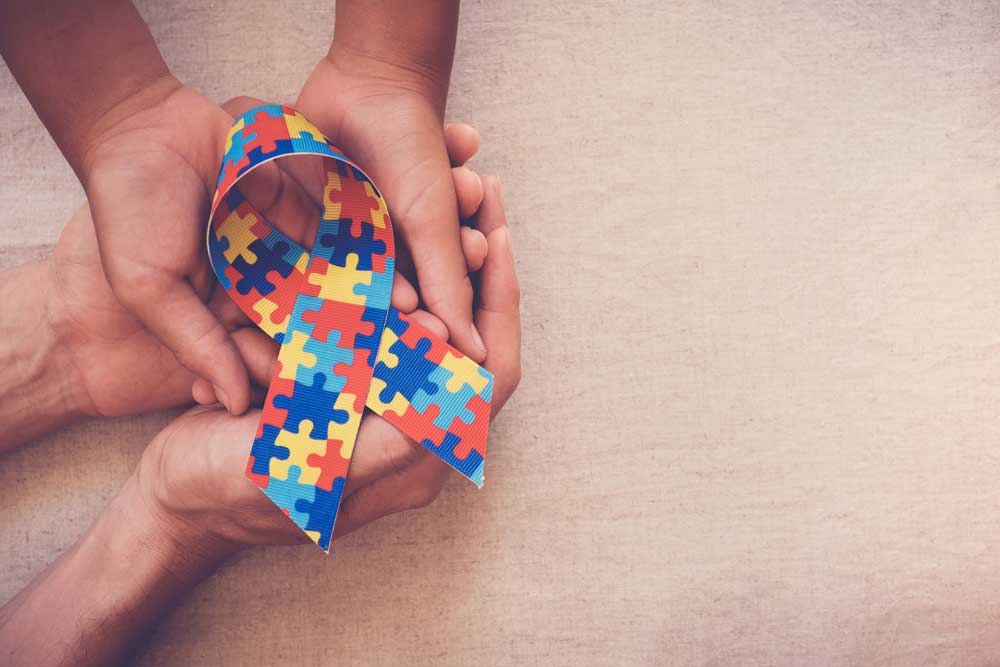
World Autism Awareness Day advocates for the rights of people with autism, promoting inclusion and highlighting the importance of early diagnosis and appropriate interventions to support individuals with autism and their families.
African Vaccination Week
(24-30 April)
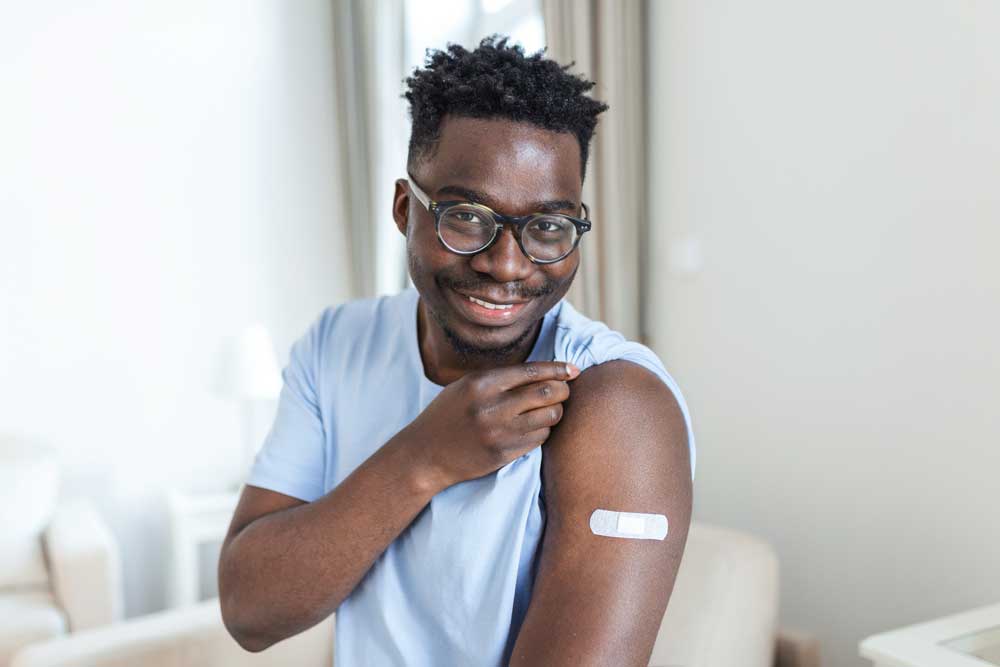
Promoted by the WHO African Region, this week aims to increase immunisation coverage across Africa. African Vaccination Week emphasises the critical importance of vaccines in preventing disease outbreaks and protecting public health, particularly focusing on reaching under-immunised communities and strengthening routine immunisation systems.
World Malaria Day
(25 April)
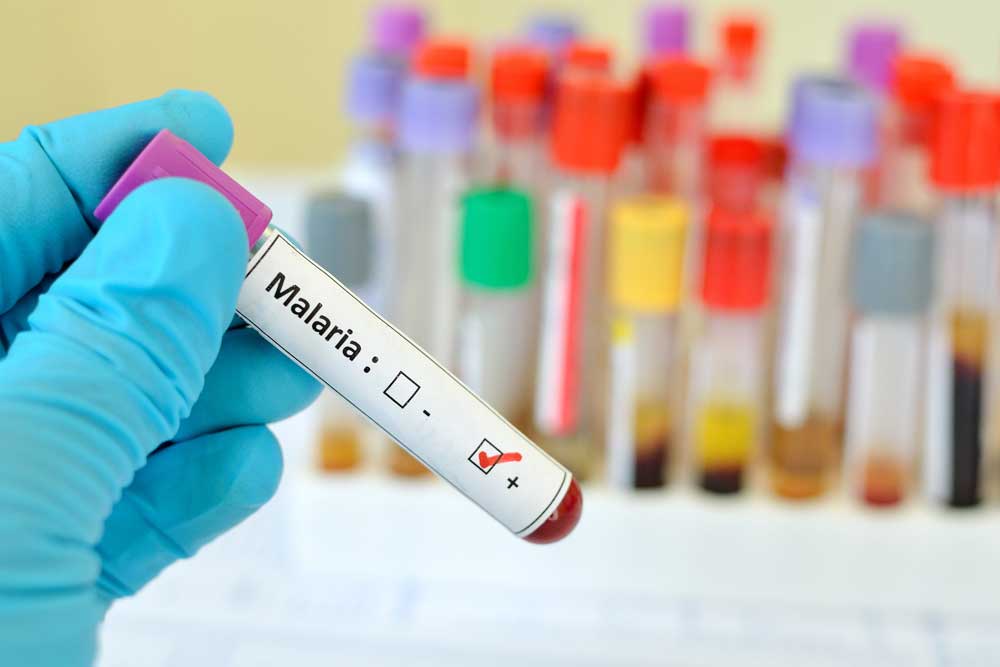
World Malaria Day highlights the global effort to control malaria and ultimately achieve a malaria-free world. It promotes awareness about malaria prevention, including the use of insecticide-treated nets, and emphasises the importance of continued investment in malaria control and elimination efforts, particularly in endemic regions like sub-Saharan Africa.
By participating in these awareness campaigns and staying informed about critical health issues, we can all contribute to better health outcomes for ourselves, our families, and our communities.