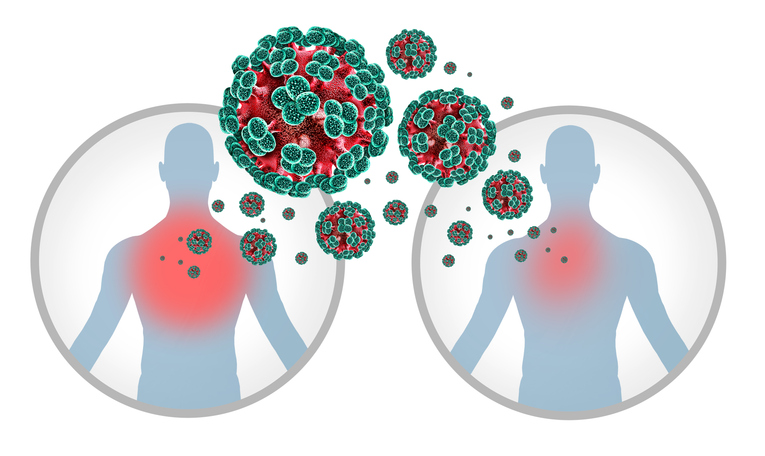
Dr Nkateko Msimeki and the Medscheme Health Policy Unit’s recent newsletter discusses the recent hantavirus outbreak aboard the cruise ship MV Hondius. This reflects key considerations as shared in mid-May 2026. Here’s what you need to know.
A hantavirus outbreak on MV Hondius drew global attention after multiple passengers developed severe illness. As at May 2026, this included at least three confirmed deaths and several suspected cases. The vessel, carrying approximately 150 to 170 passengers and crew, was placed under quarantine off the coast of Cape Verde – an island nation off the west coast of Africa – while investigations and medical evacuations were underway.
At the time, two affected passengers were transferred to Gauteng. A British passenger was treated in isolation at a private hospital in Sandton, while a Dutch passenger collapsed at OR Tambo International Airport and later died at a healthcare facility in Kempton Park.
While the outbreak was deemed to be serious, the risk to the general public remains low, with all known cases linked to a single source aboard the vessel and no evidence of onward community transmission.
What is hantavirus and how is it spread?
Hantaviruses are rodent-borne zoonotic diseases, primarily transmitted from rodents to humans, with infection most commonly occurring through inhalation of airborne particles contaminated with rodent urine, droppings (faeces) or saliva.
Human-to-human transmission remains rare, documented mainly with specific strains such as the Hantavirus Andes strain. Even in this case, transmission typically requires very close, prolonged contact, such as between household members or intimate partners, and does not occur through casual contact.
The National Institute for Communicable Diseases (NICD) indicated that hantavirus is not known to be endemic in South Africa and local rodent populations are not known to act as reservoirs for the virus.
Symptoms and severity
Incubation period – time between exposure to the virus and the onset of symptoms, typically one to eight weeks
Early symptoms – non-specific flu-like symptoms including fever, fatigue, headache, dizziness and muscle aches as well as nausea, vomiting and abdominal pain.
Rapid progression – a defining feature is sudden clinical deterioration, marked by the onset of cough and worsening shortness of breath due to fluid accumulation in the lungs, typically developing in a few days.
Click here to read the full newsletter, which gives more detail on the outbreak, risks and actions taken by the autorities.