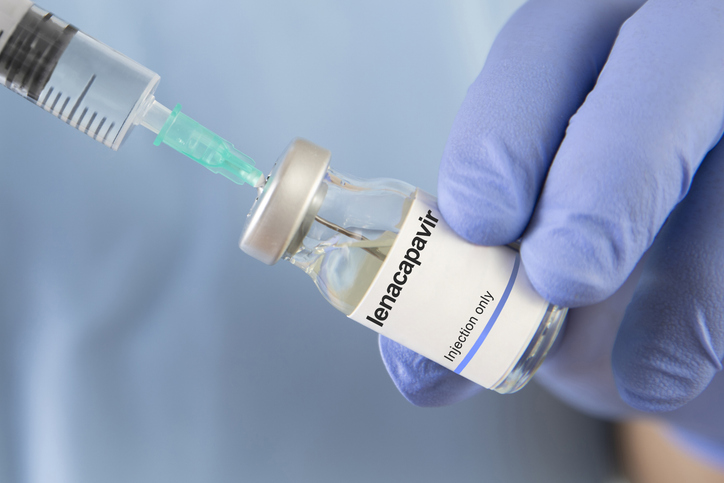
Dr Nkateko Msimeki and the Medscheme Health Policy Unit’s recent newsletter discusses developments in Human Immunodeficiency Virus (HIV) prevention strategies, including the anticipated arrival of the lenacapavir injection in South Africa, reflecting the information available at the time in mid‑April 2026.
The National Department of Health (NDoH) has confirmed the arrival of South Africa’s first consignment of lenacapavir, a long‑acting injectable medicine for HIV prevention. This represents a significant development in the country’s HIV prevention programme, with initial implementation limited to public‑sector rollout.
The first batch of lenacapavir, comprising almost 38 000 doses, arrived in Johannesburg on 30 March and 2 April 2026. The shipment was funded through South Africa’s Global Fund grant and forms part of an approximately one‑million‑dose procurement planned for 2026–2027.
While no private sector supply, pricing or timelines have been announced, discussions are ongoing at a national level regarding future access options, including potential involvement of other manufactures (such as licensed generic producers) and possible local manufacturing.
Quick facts
Lenacapavir is indicated for HIV-negative individuals at high risk of HIV infection. Although it is used to prevent HIV infection, lenacapavir is not a vaccine. It does not stimulate the immune system to produce long-term protection; instead, it works by directly blocking the virus if exposure occurs, providing protection only while the medicine remains active in the body.
Lenacapavir is classified as Pre-Exposure Prophylaxis (PrEP). It is administered as a long-acting subcutaneous injection every six months, following an initiation phase that includes a two-day oral dosing period.
Click here to read the full newsletter, which gives more details about the jab and its strategic significance in the Global AIDS Strategy 2026-2030, which aims to end AIDS as a public health threat by 2030.