



What you need to know about cholera
The recent cases of cholera in some areas of South Africa have caused concern. It’s a serious disease that needs to be identified early and can be prevented through good hygiene. Here are some things you need to know.
Cholera is an acute diarrheal illness resulting from an infection of the intestines. While some people may have mild or no symptoms and can be treated with oral rehydration solutions (ORS), others may have severe watery diarrhoea leading to dehydration and shock. Symptoms can appear within 12 hours or up to five days after ingesting contaminated food or water. Cholera affects individuals of all ages and can be fatal if left untreated.
Is South Africa facing a local outbreak?
The World Health Organization (WHO) defines a cholera outbreak as the occurrence of at least one confirmed cholera case with evidence of local transmission in an area where cholera is not regularly found. South Africa experienced an outbreak in February this year as well as the current outbreak.
How does it spread?
Cholera spreads through ingesting food or water contaminated with Vibrio cholerae bacteria. The disease can spread rapidly in places with poor sanitation and inadequate treatment of drinking water.
What are the complications of cholera?
Cholera can cause complications, especially if left untreated. These include severe dehydration, electrolyte imbalances, kidney failure accompanied by shock, and even death. Prompt diagnosis and treatment can help prevent complications. It’s vital to seek medical attention if you suspect you have cholera.
How is it treated?
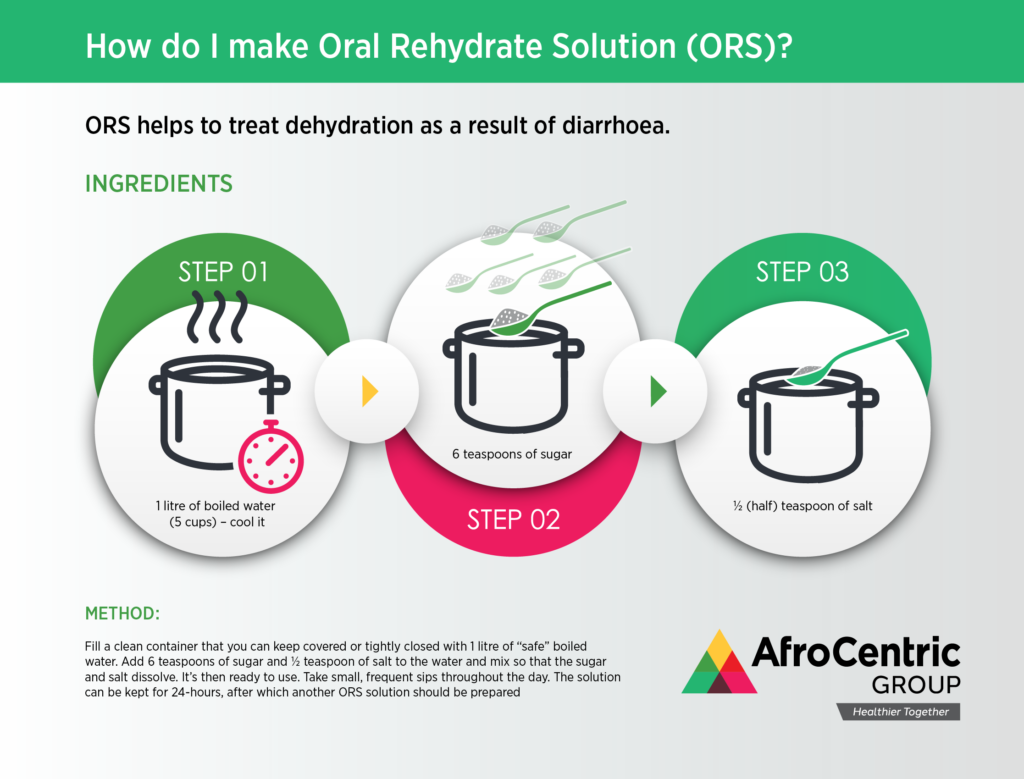
Cholera can be effectively treated by administering ORS dissolved in one litre of clean water. While adults may need up to six litres of ORS, severely dehydrated patients may require intravenous (IV) fluids and appropriate antibiotics. Supplementation with zinc is also recommended for children. The use of antibiotics can shorten the duration of the disease, but there is no real evidence to suggest that they can prevent the spread of cholera. When treated promptly and properly, the fatality rate from cholera can be reduced to less than 1%.
How can cholera be prevented?
Cholera is a deadly disease that requires a comprehensive approach to prevention and reduction of deaths. This includes measures such as surveillance, provision of clean water, proper sanitation, hygiene, community engagement, treatment, and vaccination with oral cholera vaccines. There are currently three WHO-prequalified oral cholera vaccines available, but only one of them (Dukoral®) is registered in South Africa. Dukoral® is used for the prevention of cholera for travellers (from two years of age) who are visiting high-risk areas. This medication requires a prescription and should be completed at least one week prior to potential exposure.
Can I disinfect water?

There are several methods to disinfect potentially unsafe water, but some of these methods need to be used with caution. These include boiling, using filters, adding chlorine tablets or using household bleach to ensure proper disinfection. When using bleach, two drops should be added for every litre of water, and you should wait for 30 minutes before drinking the water.
How else can cholera be prevented?
Proper hygiene practices such as washing hands with soap and water after using the bathroom, before eating and when preparing food are essential to prevent cholera. If clean water and soap are not available, it is advisable to use an alcohol-based hand sanitiser with at least 60% alcohol. Lastly, it is recommended to avoid consuming raw or undercooked food to minimise the risk of cholera infection.
Other countries facing an outbreak
African countries that have recently experienced an outbreak are Burundi, Zambia, Kenya, Malawi, Cameroon, Ethiopia, Mozambique, the Democratic Republic of the Congo and Nigeria.
Key points to note
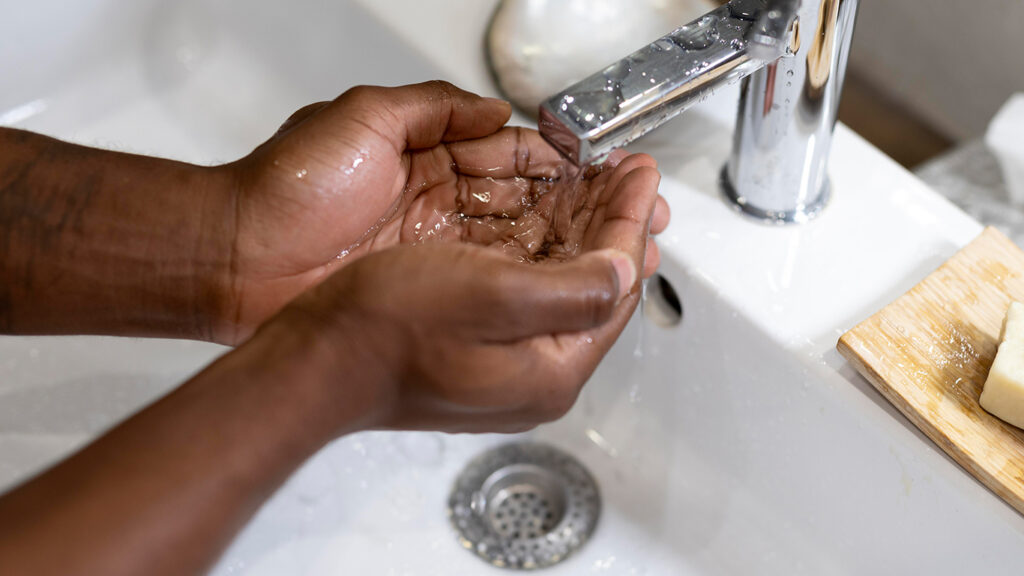
- Wash your hands with soap and water.
- Cook food thoroughly.
- Drink safe and clean water.
- Use safe sanitation facilities and safely dispose of nappies.
- Clean up safely and wash clothes separately from sources of drinking water.
- If you have symptoms of cholera, it is important to visit the nearest health facility right away for screening and testing, regardless of your travel history. Early detection is crucial for successful treatment.
Healthcare workers and laboratorians countrywide are encouraged to assess for cholera in people with acute watery diarrhoea.
