



Bridging ancient wisdom and modern medicine in healthcare
September is Heritage Month, a time to celebrate and honour the rich history embedded in African culture. As we explore the wealth of African heritage, it becomes apparent that traditional medicine holds immense untapped potential.
Dr Nkateko Msimeki, Senior Medical Advisory Manager at AfroCentric Group, recently spoke to IOL to shed light on the integration of traditional African medicine with modern healthcare and how it can address healthcare challenges while enhancing patient outcomes.
Traditional African medicine, deeply rooted in the continent’s cultural heritage, has stood the test of time as a holistic approach to healing. The World Health Organization estimates that about 80% of Africa’s population relies on traditional medicine for their primary health needs, particularly in rural areas where access to modern medical facilities may be limited.
African Traditional Medicine Day, celebrated on 31 August every year, “is the opportune time to acknowledge the value of traditional medicine, especially considering its accessibility and affordability to many”, Msimeki says.
Having played a central role in medicine and scientific progress, many traditional and alternative medicine practices are foundational to modern medical literature, she argues. “In fact, roughly 40% of current pharmaceuticals trace their origins back to natural sources, with significant medical breakthroughs like aspirin, artemisinin and treatments for childhood cancer having roots in traditional medicine.”
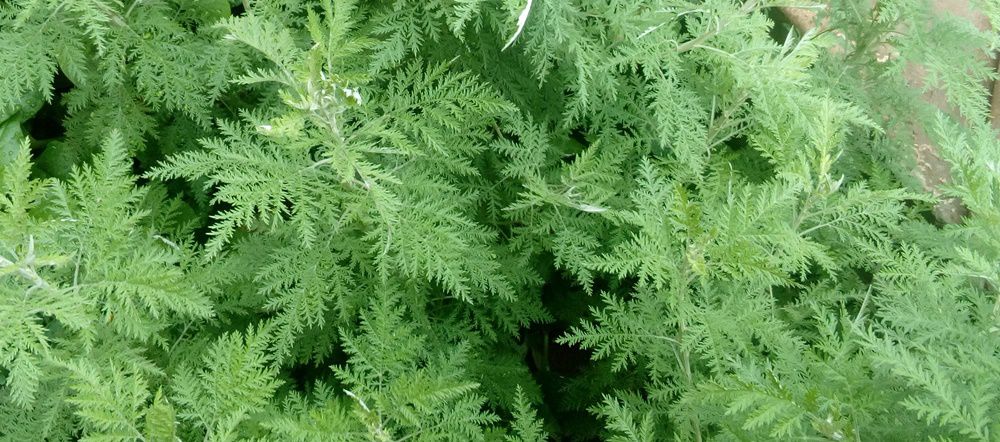
In South Africa, traditional healers often recommend umhlonyane to patients with flu. This African wormwood, deemed one of the oldest and best medicinal plants, gained international interest during the Covid-19 pandemic for its potential healing properties. Studies are being conducted to investigate its effectiveness.
Buchu, a herb that has its roots in Khoisan culture, is another example, Msimeki adds. Buchu essential oil is used in medicine to treat skin infections and to treat renal and urinary tract infections. The herb also works as an insect repellent, deodorant and treatment for skin diseases.
While modern medicine has revolutionised healthcare with advanced diagnostics, evidence-based treatments and cutting-edge medical technologies, it is essential to acknowledge its imperfections, such as overcrowded hospitals, medication side effects and the potential for medical errors that can have life-changing consequences.
Disparities in access and resource allocation further exacerbate existing health inequities, leaving millions without access to modern medicine when they need it most. “Rather than viewing traditional African medicine and modern healthcare as opposing forces, there is a growing recognition of their potential synergy,” Msimeki says.
“Collaborations that incorporate the strengths of both systems can lead to improved health outcomes. This philosophy is already being put to the test.”
For example, studies are increasingly focusing on the wider potential of certain traditional medicines, such as the following:
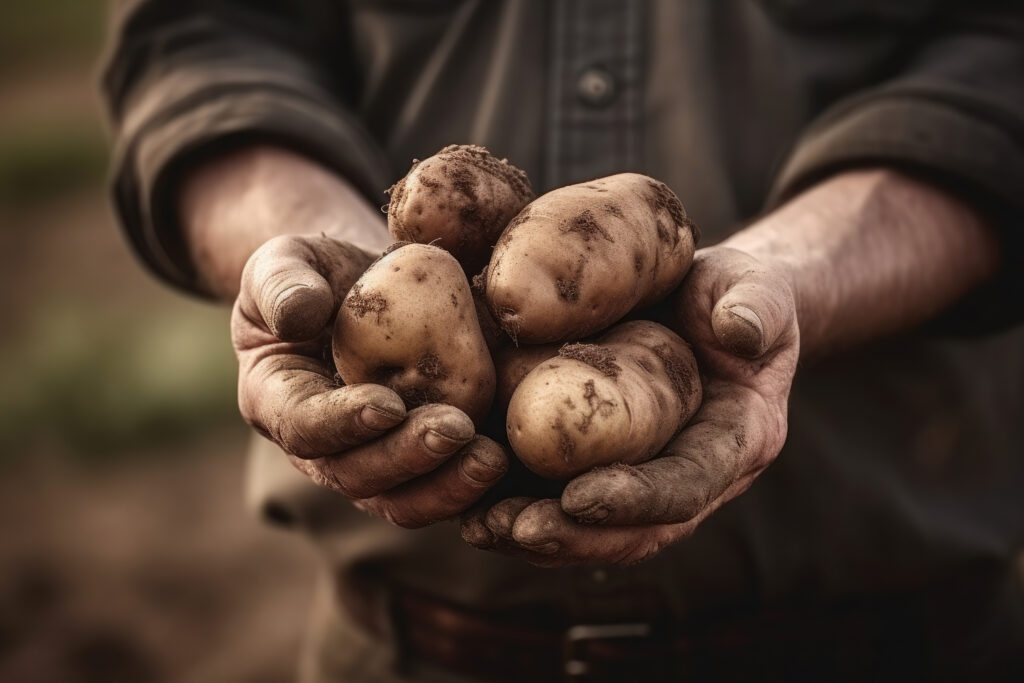
- The African potato, a medicinal plant native to Southern Africa, is used to boost the immune system, treat respiratory conditions and alleviate symptoms of arthritis and urinary tract infections.
- The leaves, seeds and roots of moringa, a tree native to Africa and other tropical regions, are used in traditional medicine. Moringa is known for its high nutritional content and is used to treat malnutrition, boost energy levels and support overall health.
- Chinese medicine continues to be practised alongside Western medicine in many parts of the world. In some cases, individuals may seek traditional Chinese medicine as an alternative or complementary approach to Western treatments.
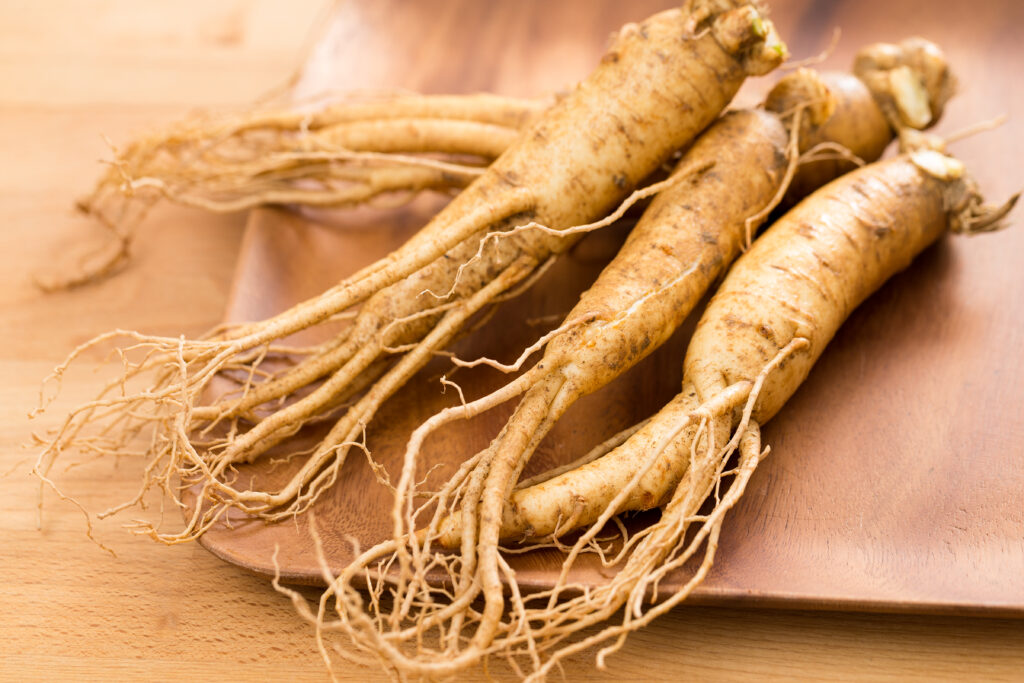
- Ginseng (Panax ginseng) is a widely used herb in Chinese medicine known for its adaptogenic properties. It is believed to enhance vitality, improve cognitive function and boost the immune system.
“One only needs to look at the groundbreaking Ntirhisano project to see two sides of the healing coin working together in harmony,” Msimeki says. “With the Ntirhisano project, traditional healers in rural Mpumalanga have been placed at the forefront of HIV testing. This initiative, facilitated by Wits University, allows traditional healers to conduct HIV tests and refer patients for treatment when necessary.”
This kind of patient-centric collaborative care takes medicine to the people in a manner acceptable to the community, allowing for early identification of disease and multidisciplinary care.
The success of the Ntirhisano project hinges on close collaboration between traditional healers and conventional healthcare workers, providing a model for integrating traditional wisdom with modern medical solutions, says Msimeki.
In this way, by fostering collaboration between traditional practices with modern healthcare, we can reduce the disease burden and enhance patient adherence and overall health outcomes.
The path forward lies in recognising the unique strengths of each system and leveraging their combined power to create a healthier, more vibrant Africa that respects its past and embraces the future.
