



The dark cloud behind the vaping trend
It’s often seen as a fashionable alternative to smoking, particularly among the younger generation – but vaping has its own set of health issues that the public must be made more aware of.
What is vaping?
Vaping describes any type of “aerosolised nicotine consumption”. Vape pens are alternatively called e-cigarettes, electronic nicotine delivery systems (END), e-cigars and e-hookahs.
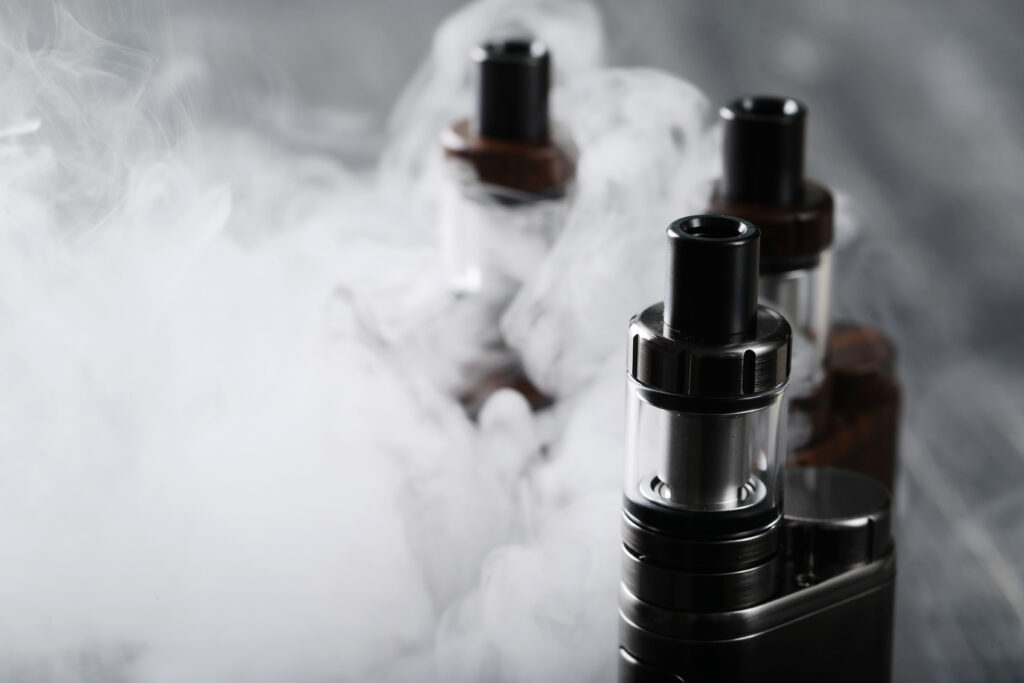
A conventional vape pen is a battery-operated handheld device that contains a storage chamber for the vape solution and an internal element for generating the characteristic vape aerosol.
What is the impact of vaping on the lungs?
EVALI, an acronym for “e-cigarette or vaping product use-associated lung injury”, is an acute respiratory illness linked to vaping. It can be severe and life-threatening. More than 2 800 hospitalised cases of EVALI were reported to the Centers for Disease Control and Prevention in the US as of 18 February 2020. Among those, there were 68 deaths.
About 66% of reported cases were male and nearly 80% were younger than 35 years (with ages ranging from 13 to 85 years). Scientists say EVALI appears to be a form of acute lung injury and may reflect a spectrum of disease processes rather than a single process.
What ingredients might be instrumental in causing lung injury?
Examination of products used has found tetrahydrocannabinol (THC) and/or vitamin E acetate in the majority. However, other additives might be involved including nicotine, cannabinoid (CBD) oils and other substances such as coconut oil and limonene.
What other health concerns are associated with vaping?
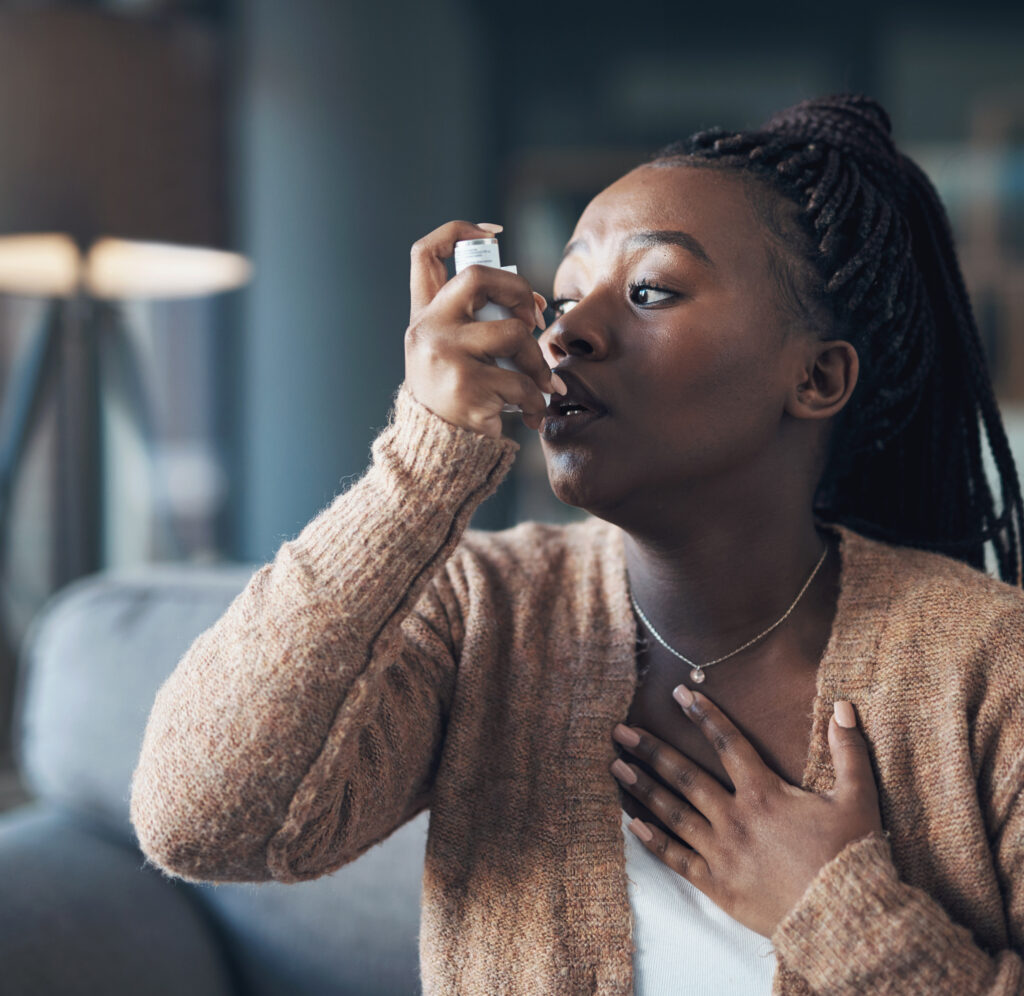
Additional problems include:
- Asthma – vaping can make a person more likely to get asthma and other lung conditions. It can also worsen existing asthma.
- Lung scarring – diacetyl, a chemical used in some flavourings, can cause bronchiolitis obliterans (“popcorn lung”). This condition causes permanent scarring in the lungs.
- Organ damage – in addition to the lungs, nicotine and other substances in e-liquid can damage the heart and brain. Nicotine affects brain development, raises blood pressure and narrows arteries.
- Addiction – nicotine is highly addictive. It causes changes in the brain so that the person craves nicotine and may not be able to stop vaping voluntarily unless it starts to cause health problems. Even e-liquids that claim to be nicotine-free may contain small amounts of nicotine.
- Cigarette smoking – many people start vaping and end up smoking cigarettes, which contain higher amounts of harmful chemicals.
- Second-hand exposure – people in the vicinity of a vaper are exposed to nicotine and other chemicals.
- Explosions – there have been incidents of batteries in vaping devices exploding, causing serious injuries and burns.
- Cancer – some ingredients in e-liquids are known to cause cancer.
What are the signs of use?

Vaping is easy to hide and the signs can be easy to miss. Unlike traditional cigarettes, e-cigarettes don’t leave the tell-tale scent of tobacco.
Clinical and behavioural signs of vaping include:
- Presence of unfamiliar technology, online purchases or packaging
- Faint sweet or fruity scents
- Behavioural and mood changes
- Increased irritability or restlessness
- Cutting back on caffeine
- Desire for flavour due to tastebud degradation
- Pneumonia
- Increased thirst
- Nosebleeds.
Are e-cigarettes less harmful than cigarettes?
- E-cigarettes are highly effective at delivering nicotine through a liquid that produces a chemical-filled aerosol.
- Acrolein, a known ingredient of many e-cigarettes, causes irreversible lung damage. Nicotine exposure during adolescence can harm the developing brain.
- The US Food and Drug Administration has found no e-cigarette to be safe and effective in helping smokers quit.
Are e-cigarettes regulated?
The South African Bureau of Standards (SABS) has established a National Technical Committee to develop national standards to guide the use of e-cigarettes and vaping products.
There are no guidelines or regulations for vaping production in South Africa yet. The SABS will be responsible for setting guidelines and promoting standardisation in the field, covering electronic vaping products and their components, including cartridges and reservoirs.
Currently, the Department of Health has a draft bill on the control of tobacco products and electronic delivery systems that is undergoing public enquiry. The SABS said it will focus on vaping products and take into account the inclusions of the draft bill, with the knowledge that standards are voluntary in nature.
