

An update to the TB guidelines
It’s exciting to note that the Department of Health (DoH) has updated their Tuberculosis (TB) guidelines to be in-line with the World Health Organization (WHO) recommendations, meaning a reduced time on treatment for people with drug-resistant TB. This will go a long way to ensuring adherence to treatment and reducing TB transmission.
South Africa has one of the highest rates of TB in the world and according to the WHO, is one of the top 30 high TB burden countries worldwide.*1 In 2020, there were 328 000 reported active infections.*6 and between 2020 and 2022, an average of 55 000 people died of TB per year in South Africa.
A major driver of TB infection in South Africa is HIV. In 2022, nearly half of all people infected with TB were HIV-positive. Poor living conditions and late presentation to healthcare facilities also contribute to the high rates of infection.*3 TB is unevenly distributed in South Africa, with four provinces (KwaZulu-Natal, Gauteng, Eastern Cape, and Western Cape) carrying more than 70% of the burden, and Mpumalanga as the province with the highest prevalence of drug-resistant TB.*6
What is TB?
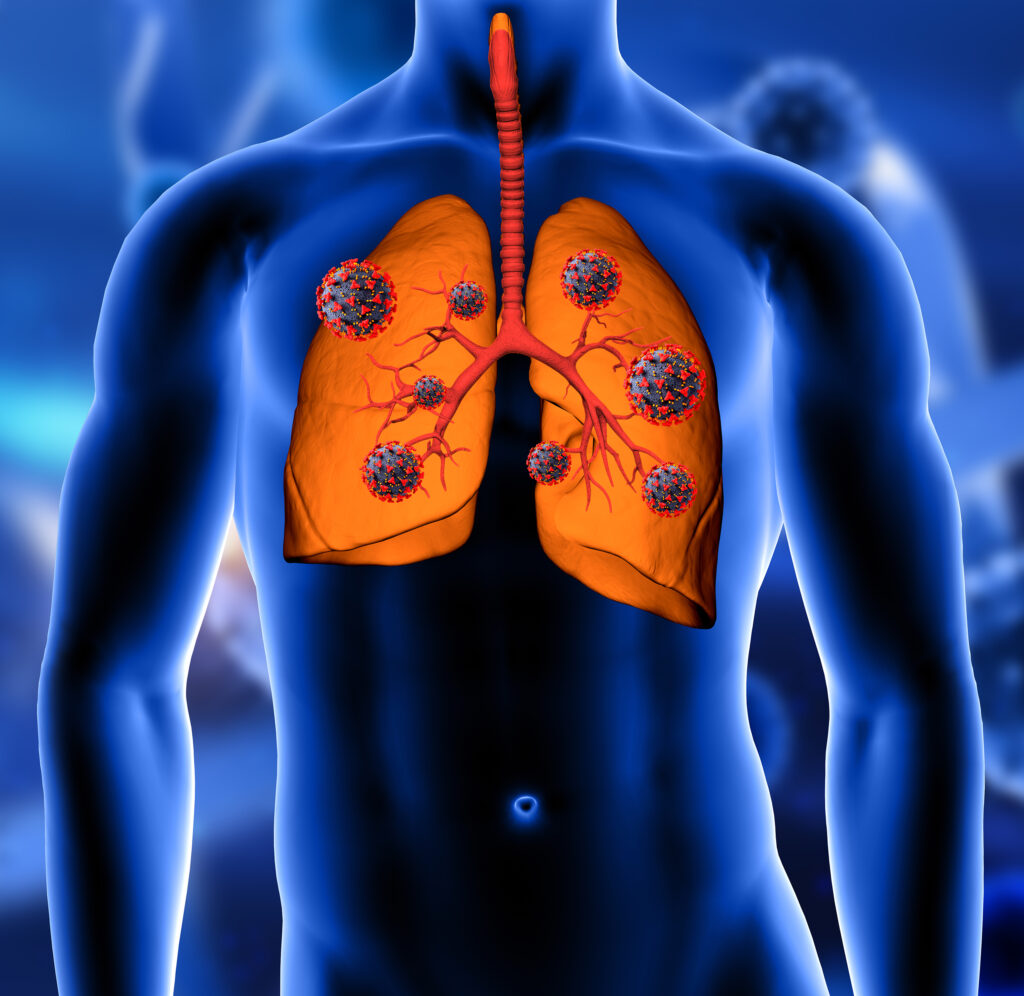
TB, caused by the bacteria Mycobacterium Tuberculosis, is a contagious infection that primarily attacks the lungs but can also affect other parts of the body, including the heart, bones, skin, brain, spine, abdomen, and lymph nodes.*1
How is TB transmitted?
TB is spread from person-to-person through contact with respiratory droplets released into the air when an infected person coughs, sings, talks or sneezes (i.e. droplet transmission). .*1
What are the signs and symptoms of TB?
The symptoms of pulmonary TB generally include persistent coughing, fatigue, fever, night sweats, chills, weight loss, and chest pain. Symptoms for infection located in other parts of the body may vary depending on location.*1
How is TB diagnosed?
In South Africa, TB is primarily diagnosed through laboratory testing of sputum and other extra-pulmonary fluids to look for the bacteria. A chest x-ray is also common and a skin test
(Mantoux test) can be done in children. There is no single test that can be used to test for TB in all circumstances.
How can TB be prevented?
TB is curable and preventable. Stopping transmission through early identification of people with active TB and starting them on treatment is key to prevention. Those infected with TB should also wear a mask covering the nose and mouth to reduce droplet spread.*1
People who are exposed to someone with TB can be put on TB prevention treatment (TPT) to stop the onset of the disease. TPT is safe for all age groups and should be offered to all people (regardless of age and HIV status) after significant TB exposure and those who are immunocompromised (regardless of known exposure), after TB disease has been ruled out.
In South Africa, the current TPT options include:
• 3HP: three months of isoniazid and rifapentine given once weekly.
• 3RH: three months of daily rifampicin and isoniazid.
• 6H: six months of daily isoniazid.
• 12H: 12 months of daily isoniazid.
Is there a TB vaccination?
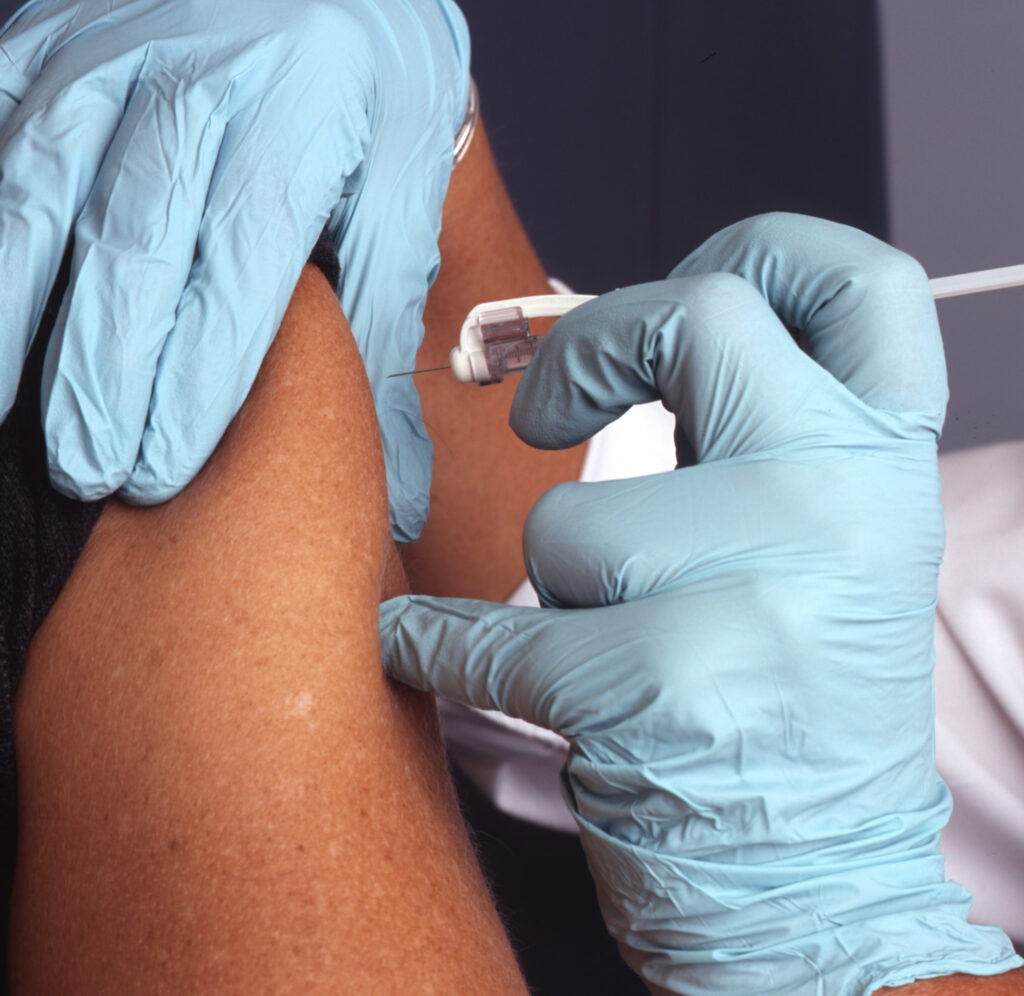
The Bacille Calmette-Guerin (BCG) vaccine is currently the only available TB vaccine and has been widely used for more than 100 years. Vaccination with BCG was made mandatory in South Africa in the 1970s and to date is given as an injection to newborns as it does not offer protection to adolescents and adults. South Africa is currently participating in new TB vaccine trials in newborns and adults (called M72).
How is TB treated?
Once a positive diagnosis is made, TB treatment with a combination of oral drugs can be started. This is typically a 6-month course of multi-drug regimens containing rifampicin, isoniazid, pyrazinamide and/or ethambutol.
TB is no longer considered contagious two weeks after initiation of TB treatment. It is important that treatment is strictly adhered to, and all courses are completed to prevent drug resistance. Drug resistance happens when the bacteria that causes TB infection develops resistance to treatment.
There are different types of drug resistance:
- Rifampicin resistant TB (RR-TB) is when the infection does not respond to standard treatment with rifampicin.
- Multidrug-resistant TB (MDR-TB) is when the infection does not respond to two specific drugs within the standard TB treatment, isoniazid and rifampicin, with or without resistance to other TB drugs.
- Extensively drug-resistant TB (XDR-TB) is when the infection does not respond to three or more drugs within the standard TB treatment rifampicin, isoniazid, levofloxacin or moxifloxacin, and either bedaquiline or linezolid.
- All patients who successfully complete treatment need to be evaluated six and 12 months post-treatment.
What are the changes to the national guidelines?
Rifampicin resistant TB
The new guideline update has shortened the nine-11-month course to a short, all-oral, six-month regime.
MDR/RR-TB (older than 15 years):
- The use of a six-month treatment regime composed of bedaquiline, pretomanid, linezolid (600mg) (BPaL-L) and moxifloxacin (BPaLM) rather than the nine-month or
18-month regimes.
- The use of the nine-month all oral regime rather than 18-months regimens where resistance to fluoroquinolones (FQ) has been excluded.*4 Pyridoxine does not need to be given to patients receiving BPaL-L drug regimen.*4
Management of RR-TB in children (under 15 years of age):
- Children with non-severe drug susceptible TB disease can be successfully treated with a shorter (four-month) duration with effective drugs. Children with non-severe RR-TB disease are also likely to be successfully treated with shorter (six-month) regimens containing at least four effective drugs; those with more severe disease are likely to require longer treatment for nine or 12 months.
Medscheme funding for TB
Use of the National TB control programme is strongly encouraged. The diagnosis, acute medical management, and successful transfer to maintenance therapy forms part of prescribed minimum benefits (PMB) for pulmonary TB in accordance with the guidelines of the Department of Health (DoH). In exceptional circumstances only will TB treatment be considered for reimbursement by your medical scheme.
Key points to note
- TB is a notifiable disease and all confirmed TB cases are added to the National TB register.
- TB is preventable and curable.
- All close contacts of a confirmed TB case should be investigated for suspected TB infection.
- The South African National DoH has implemented a National TB Control Programme, including a drug resistant (DR-TB) management programme that accommodates private patients.
- Only in exceptional circumstances will the reimbursement of TB treatment in the private sector be considered.
- It is important that you complete your TB treatment to prevent transmission and drug resistance.
1. National Institute for Communicable Diseases, South Africa, 2023. (NICD); https://www.nicd.ac.za/diseases-a-z-index/tuberculosis-general/
2. https://www.who.int/health-topics/tuberculosis#tab=tab_1
3. https://tbfacts.org/tuberculosis/
4. DOH, South Africa; CLINICAL MANAGEMENT OF RIFAMPICIN-RESISTANT TUBERCULOSIS, Aug 2023.
5. Vanino E et al; Update of drug-resistant tuberculosis treatment guidelines: A turning point; International Society for infectious diseases; 2023, S12-S15; 6 March 2023.
6. NICD – Microbiologically confirmed tuberculosis 2004-15; South Africa
7. National Guidelines on THE TREATMENT OF TUBERCULOSIS INFECTION, NDOH, February 2023.
