


Nipah virus (NiV) Awareness: Should South Africans be worried?
COVID-19 has ignited a global interest in viral infections that have the potential to disrupt daily life. The latest is Nipah virus.
In September 2023, India had an outbreak of Nipah virus, it’s sixth since 2001, resulting in 53 708 homes undergoing surveillance, over 1 200 cases being quarantined and school and public transport closures.*1
Nipah virus (NiV) is an emerging zoonotic virus, meaning it is transmitted to humans from animals, fruit bats being the most common host. NiV was first discovered in 1999 during an outbreak that affected pigs and people in Malaysia and Singapore. Although there haven’t been further outbreaks of NiV in Malaysia and Singapore, outbreaks have been observed almost annually in other parts of Asia – mainly Bangladesh and India.*2 *3
There have been no recorded cases or outbreaks of NiV in South Africa, which is also not considered to be an area of risk for NiV outbreak.*4 *5
How does NiV spread?
During the first confirmed NiV outbreak in 1999, virus transmission was between infected animals (i.e. bats and pigs), which in turn spread to humans via close contact with the animals. During the earlier outbreaks, human-to-human transmission was not reported.*2 However, subsequent outbreaks have reported transmission between humans after a new strain emerged in Bangladesh and India in 2001, which raises concerns of a more rapid and vast spread of the infection.*2
Modes of NiV infection in people

- Close contact with infected animals, such as bats or pigs, or contact with their body fluids (e.g. blood, urine or saliva)
- Consumption of food contaminated by body fluids of infected animals (e.g. fruit contaminated by an infected bat)
- Human-to-human transmission via contact with body fluids (e.g. nasal, or respiratory droplets, urine or blood)*2
What are the signs and symptoms of NiV infection?
Symptoms of the NiV infection range from asymptomatic to more severe cases of fatal encephalitis (inflammation of the brain), which is rare. Initial symptoms usually appear 4-14 days after virus exposure and may include one or more of the following:
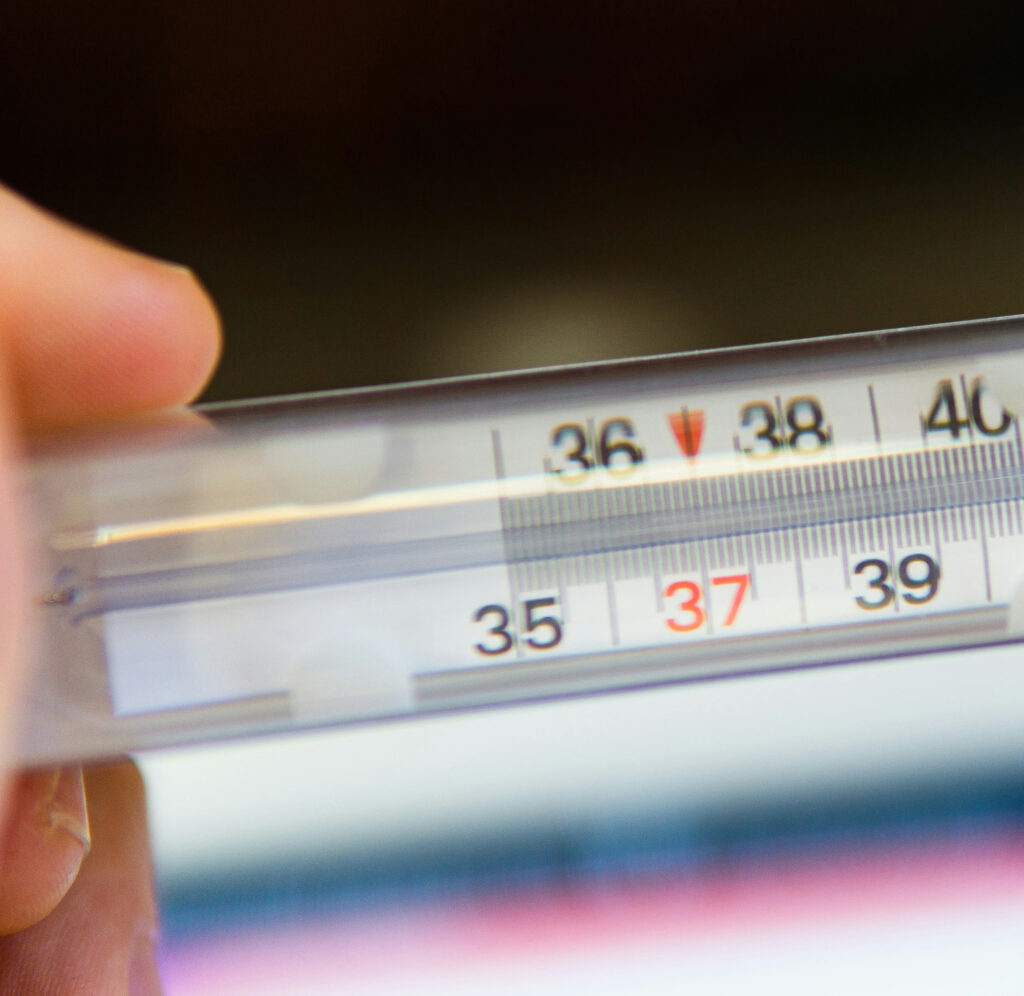
• Fever
• Headache
• Cough
• Sore throat
• Difficulty breathing
• Vomiting*2
How is NiV diagnosed?
Early diagnosis of NiV is essential to improve survival rates, prevent virus transmission and manage outbreaks effectively. However, the non-specific nature of the initial symptoms poses a challenge to early diagnosis.*2
NiV can be diagnosed using various laboratory tests to detect traces of the virus in bodily fluids. Examples of diagnostic tests include, but are not exclusive to, the testing of blood using an enzyme-linked immunosorbent assay (ELISA) test or the use of real-time polymerase chain reaction (RT-PCR) testing, which can be performed on saliva, blood, urine and cerebrospinal fluid.*2 *3
How is NiV treated?
There is no cure for NiV infection, and no therapy is specifically registered in this setting. Treatment would largely be limited to supportive care to manage the symptoms of the infection as they occur (e.g. bed rest, adequate hydration). All suspected cases should be monitored in hospital isolation to reduce the risk of transmission.*2 *3
NiV can be fatal in 40%-75% of cases. Survivors of acute encephalitis from NiV infection may experience long-term complications, such as persistent seizures, confusion, and changes in personality (e.g. cognitive impairment, depression, and verbal memory deficit). *3
How can NiV infection be prevented?
There is currently no NiV vaccine available to offer protection against the virus.*3
In high-risk areas, where there have been previously reported outbreaks, the following precautions are recommended:
- Wash hands regularly with soap and water.
- Avoid contact with animals (e.g. bats or pigs) who are known or suspected to be infected.
- Stay away from areas where bats are known to roost.
- Refrain from consuming products that could be contaminated.
- Ensure fruits are thoroughly washed and peeled before eating.
- Avoid close contact with people infected with NiV. Where this is not possible, personal protective equipment (PPE) is essential.*2 *3
What is covered for NiV
NiV is not considered a prescribed minimum benefit (PMB condition. The diagnosis and supportive care would be subject to available routine benefits and scheme rules.
References
1. Nipah Virus (NiV) [Internet]. cdc. 2019. Available from: https://www.cdc.gov/vhf/nipah/index.html.
2.World Health Organization – License: CC BY-NC-SA 3.0 IGO. WER No 41 , 2011, 451-455. Available from: https://www.who.int/publications/i/item/who-wer8641-451-455.
3. What you need to know about the Nipah virus outbreak [Internet]. CapeTalk. [cited 2023 Sep 26]. Available from:
https://www.capetalk.co.za/articles/484585/what-you-need-to-know-about-the-nipah-virus-outbreak.
4. Admin. Home [Internet]. NICD. 2018. Available from: https://www.nicd.ac.za/.
5. Nipah Virus Distribution Map | Nipah Virus (NiV) | CDC [Internet]. www.cdc.gov. 2021. Available from: https://www.cdc.gov/vhf/nipah/outbreaks/distribution-map.html.
