



Zero tolerance to fraud
Introducing our Internal Investigations team, which has been established to ensure ethical workplace behaviour by investigating and addressing reports of misconduct.

Ethical behaviour forms the cornerstone of organisational success and employee trust. Our internal investigations team plays a critical role in promoting this environment, fostering accountability and ensuring that we all act ethically.
The role of the Internal Investigations team
The team aims to empower employees to remain ethical and always act with integrity. They provide channels and a platform for us to raise and call out matters of unethical conduct and fraud within the business.
They also protect our business by proactively identifying risks of fraud and unethical conduct, execute fair, impartial, and confidential investigations for identified and/or reported incidents of fraud and unethical behaviour.
The team enforces stringent consequence management in confirmed incidents of unethical and fraudulent conduct, and collaborate with relevant stakeholders to strengthen internal processes aimed at preventing and detecting unethical and fraudulent conduct/activities.
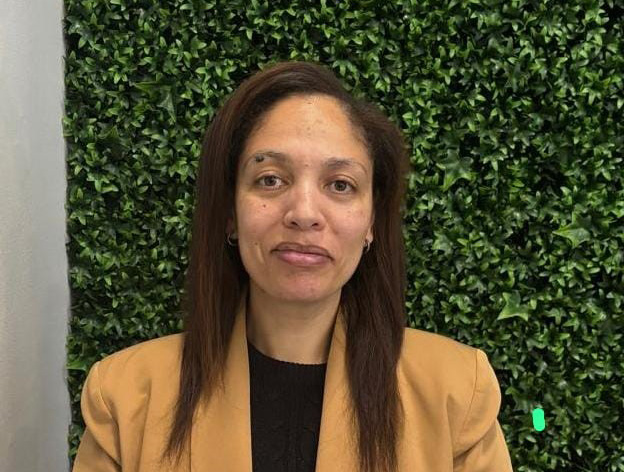
Meet the team





Defining fraudulent and unethical conduct
Fraud –Fraud is any activity that relies on deception to achieve a gain. Fraud becomes a crime or transgression when it is a “knowing misrepresentation of the truth or concealment of a material fact to induce another to act to his or her own detriment”. In other words, if you lie to deprive another person or organisation of their money or property, you are committing fraud.
Unethical conduct – This is any activity that contravenes moral principles, company values, and policies e.g. abuse of power, dishonesty, or conflicts of interest. Victimisation of staff is also an example of unethical conduct.
A few examples of behaviour that could land employees in hot water include:
- Misuse of authority
- Victimisation of staff
- Turning a blind eye to misconduct
- Misuse of company allocated assets
- Dishonesty
- Conflict of interest
- Fraud and corruption
Real life scenario
Employee X has a company and has managed to get a few of his people placed at AfroCentric through a chain of sub-contracting, but failed to declare the existence of this company as stipulated in the Declaration of Interest Policy – this constitutes a conflict of interest and is tantamount to corruption!
What happens if you’re reported (or caught)?
Fair and impartial investigations are carried out, during which fact-finding sessions are conducted. Based on the outcome or findings of these investigations, the appropriate disciplinary process is applied or initiated in accordance with AfroCentric’s Disciplinary Management Policy.
How to report unethical or fraudulent conduct
If you see, know of, or suspect unethical or fraudulent conduct, speak up!
Call the Whistleblower hotline: 0800 11 28 11
Email internalinvestigations@afrocentricheath.com
Drop a note in one of the physical reporting boxes situated across the business.
“When in doubt, refer to company policy – and remember, retaliation against whistleblowers is both illegal and unethical.”
— Internal Investigations team
