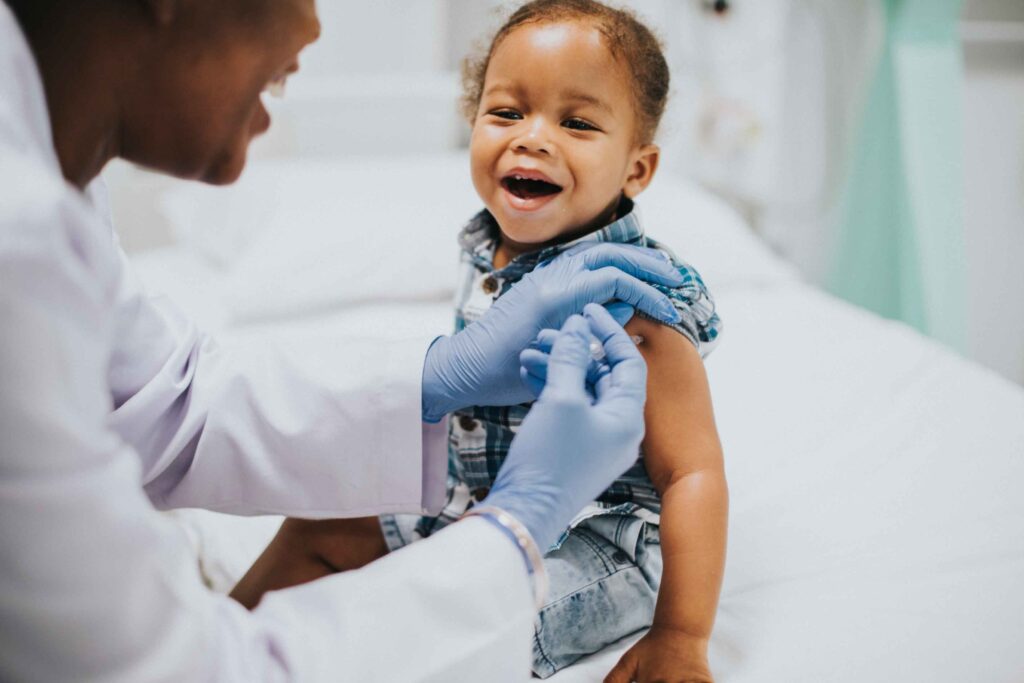
Annual wellness days serve as vital touchstones in our journey towards better health, creating opportunities for early detection through increased screening and education.
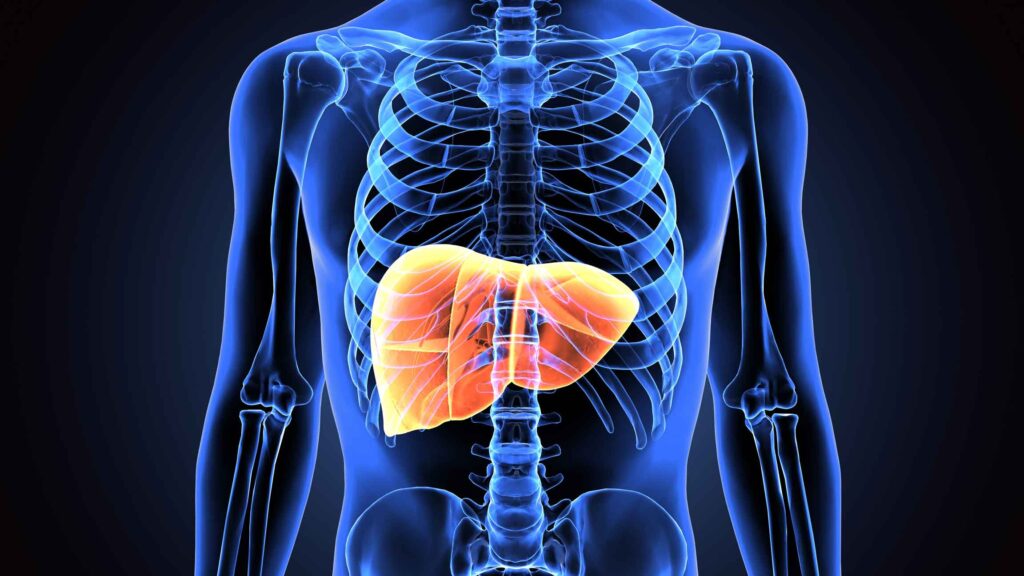
World Hepatitis Day
(28 July)
World Hepatitis Day is not just a moment to reflect, but a call to action to get tested and vaccinated if you are eligible. The Medscheme Health Policy Unit’s recent newsletter focused on the prevalence of this disease in South Africa, where an estimated 5-7% of the population are chronically infected with Hepatitis B and Hepatitis C, while less common, poses a risk, especially to those who inject drugs, incarcerated individuals or those with a history of unsafe medical procedures.
Coinfection with HIV is another concern as people living with HIV may have more rapid disease progression if infected with hepatitis B or C. Be sure to read our article, Breaking down Hepatitis, for a more detailed look at this disease.
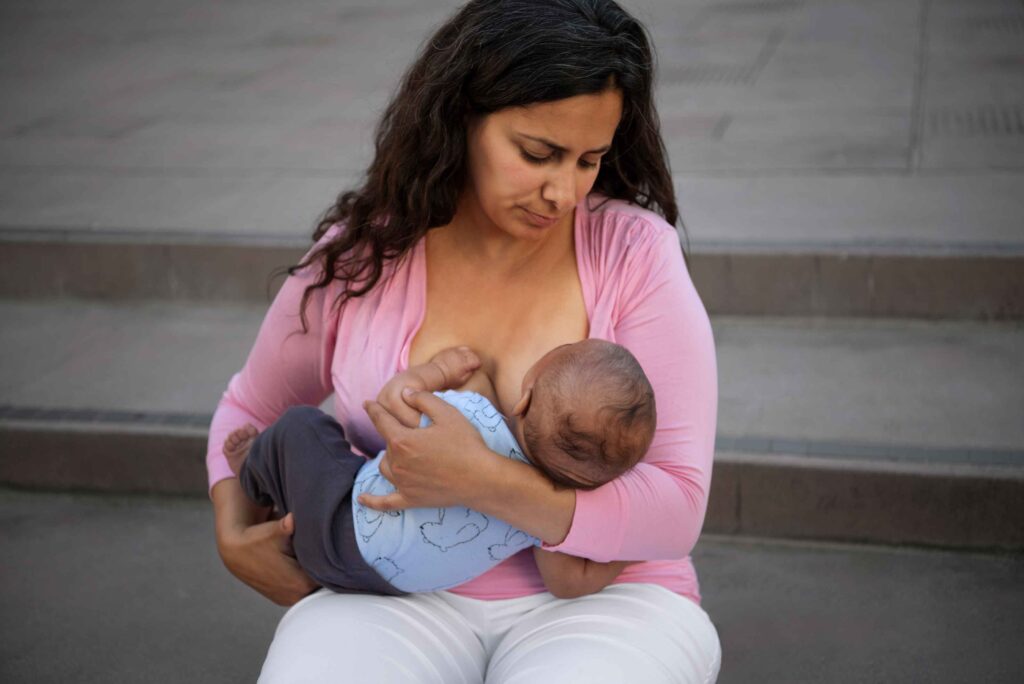
World Breastfeeding Week
(1-7 August)
This global initiative promotes the importance of breastfeeding for both infant and maternal health. The week aims to protect, promote, and support breastfeeding as the optimal source of nutrition for babies, highlighting its role in reducing infant mortality, and supporting long-term health outcomes. Be sure to read our article Breast is best on the benefits of breastfeeding for both mom and baby.
African Traditional Medicine Week
(26-31 August)
This week celebrates and promotes the integration of traditional medicine practices within modern healthcare systems across Africa. It seeks to enhance research, development, and regulation of traditional medicines while preserving indigenous knowledge and ensuring safe, effective therapeutic practices.
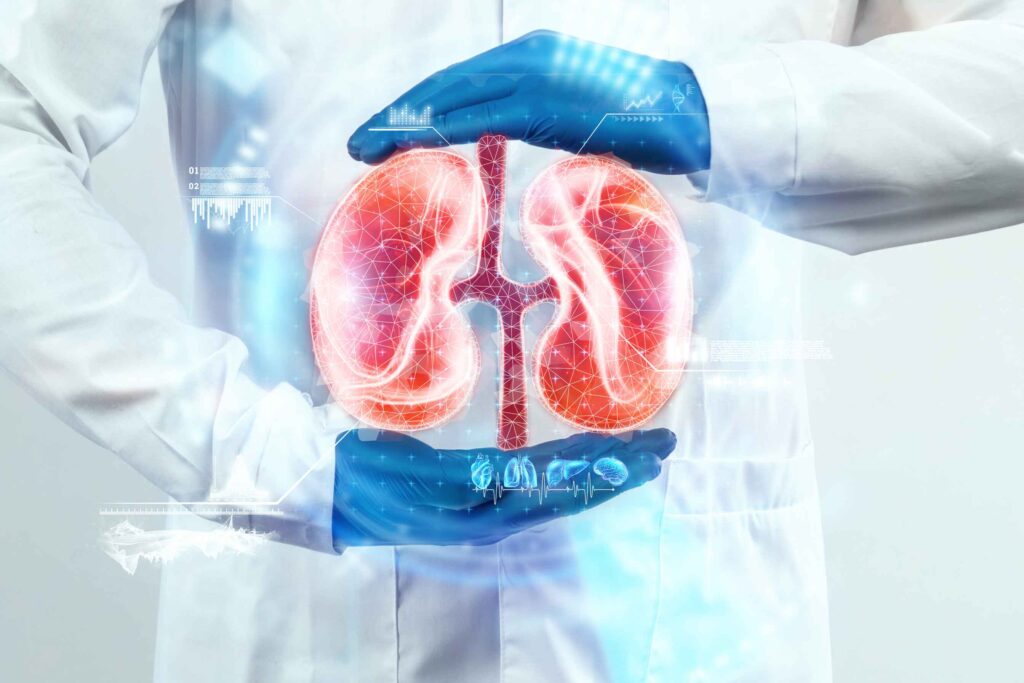
National Kidney Awareness Week
(1-5 September)
This awareness period focuses attention on kidney health and the prevention of chronic kidney disease. The week emphasises the importance of early detection, lifestyle modifications, and proper management of conditions such as diabetes and hypertension that can lead to kidney complications.
International Foetal Alcohol Syndrome Day
(9 September)
Drinking alcohol while pregnant can cause a number of preventable birth defects and developmental disabilities in the baby. This day aims to educate communities about the risks of prenatal alcohol exposure, and promote alcohol-free pregnancies for healthier outcomes.
National ADHD Day
(14 September)
Attention Deficit Hyperactivity Disorder is a neurological development disorder that affects attention, focus and organisation. Shining a light on the disorder can lead to proper diagnosis, better understanding and better treatment options.
World Patient Safety Day
(17 September)
This international day highlights the importance of patient safety in healthcare delivery worldwide. It encourages healthcare systems, professionals and patients to work together to reduce preventable harm, improve safety culture, and enhance the quality of care.
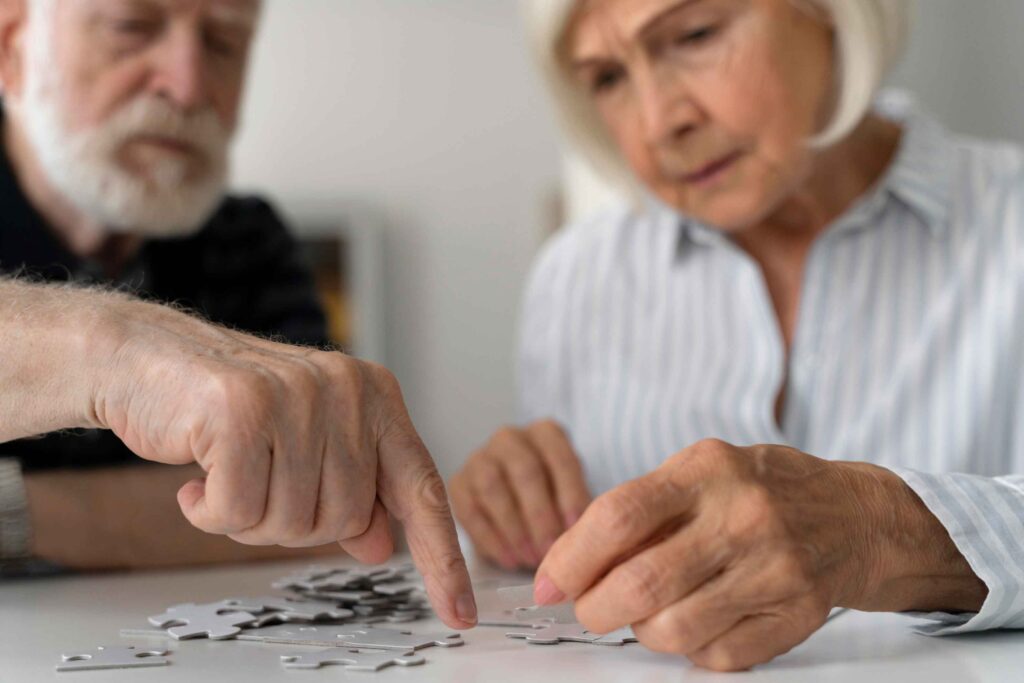
World Alzheimer’s Day
(21 September)
This day increases global awareness of Alzheimer’s disease and other forms of dementia. It aims to challenge stigma, promote understanding of symptoms, and highlight the importance of early diagnosis, research, and support for patients and their families. Read our article Lest we forget, on how to support a loved one with kindness.
World Pharmacist Day
(25 September)
Pharmacists play a vital role in healthcare systems globally. This day celebrates their contributions to medication safety, patient education, disease prevention, and their expanding role in primary healthcare delivery.
World Heart Day
(29 September)
This global campaign focuses on cardiovascular disease prevention and awareness. The day promotes heart-healthy lifestyle choices, educates about risk factors, and emphasises the importance of regular health screenings for early detection of heart conditions.
Breast Cancer Awareness Month
(October)
This month-long campaign increases awareness of breast cancer, the importance of early detection through regular screening, and advances in treatment. It provides education about risk factors, symptoms, and survival outcomes whilst supporting those affected by the disease. Be sure to read our article Close to the chest, on unusual signs of breast cancer and how to do a self-examination.
International Day of Older Persons
(1 October)
This day celebrates the contributions of older adults to society while highlighting issues affecting ageing populations. It promotes healthy ageing, addresses ageism, and advocates for policies that support the dignity, health, and wellbeing of older individuals.
National Nutrition Week
(9-15 October)
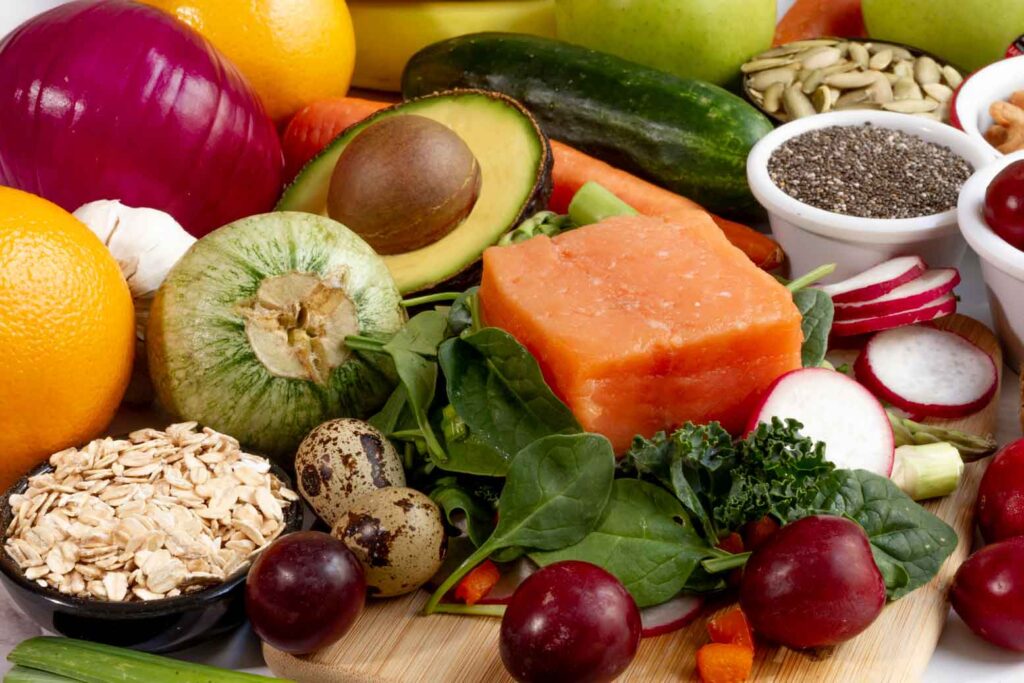
Good nutrition is nature’s first line of defence against disease. This national awareness week promotes the importance of proper nutrition for optimal health and disease prevention. It educates communities about balanced diets, addresses malnutrition in all its forms, and encourages healthy eating habits across all age groups.
World Sight Day
(9 October)
Blindness and vision impairment is a major public health issues. This day promotes the importance of eye health, regular eye examinations, and access to quality eyecare services for preventing avoidable blindness.
World Mental Health Day
(10 October)
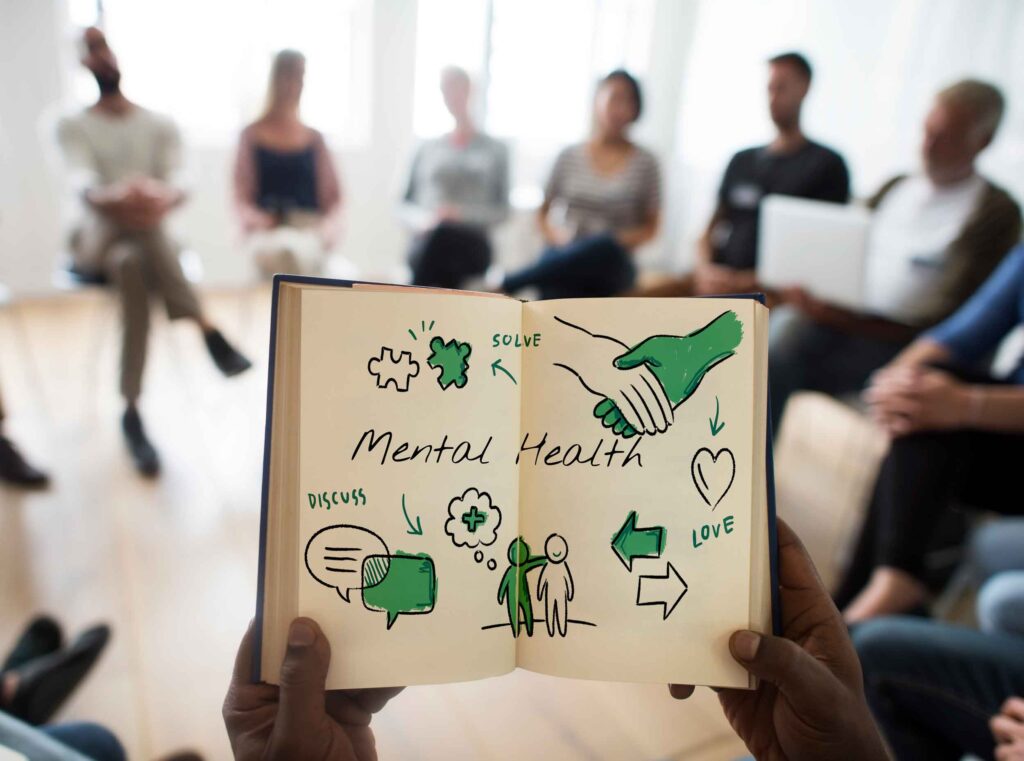
Across the world, mental health is a serious issue that is often overlooked. This day raises awareness of mental health issues and mobilises support for better mental health care. It aims to reduce stigma, promote mental wellness, and advocate for improved access to mental health services and support systems.
World Trauma Day
(17 October)
Trauma has a devastating but often invisible effect on mental health. A global initiative, this day focuses on raising awareness about the impact of trauma, the importance of timely medical intervention, prevention strategies, and support for individuals and communities affected by traumatic events. Read our article The toll of trauma for more on what trauma is and how to cope.
World Polio Day
(24 October)
A decrease in vaccination rates due to vaccine hesitancy, misinformation, and disruptions in vaccination campaigns (such as happened during the Covid-19 pandemic) means polio is on the rise again. While Africa was declared free of indigenous wild polio in 2020, there were instances of re-emergence in Southern Africa in 2022. This day commemorates global efforts to eradicate polio, a disease which attacks the nervous system and can lead to paralysis and death.