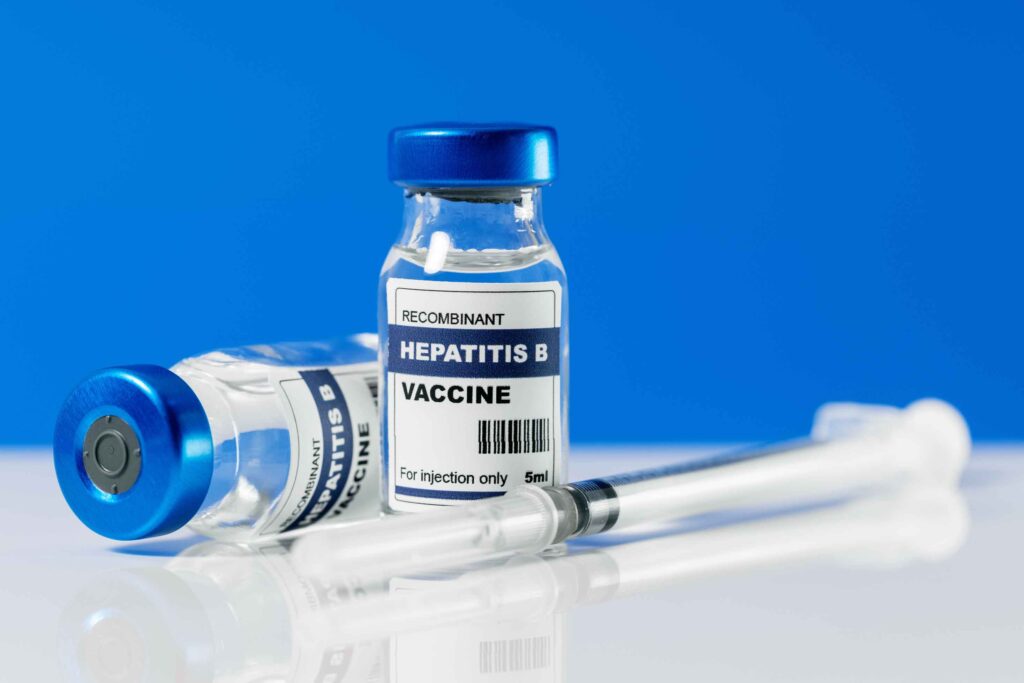
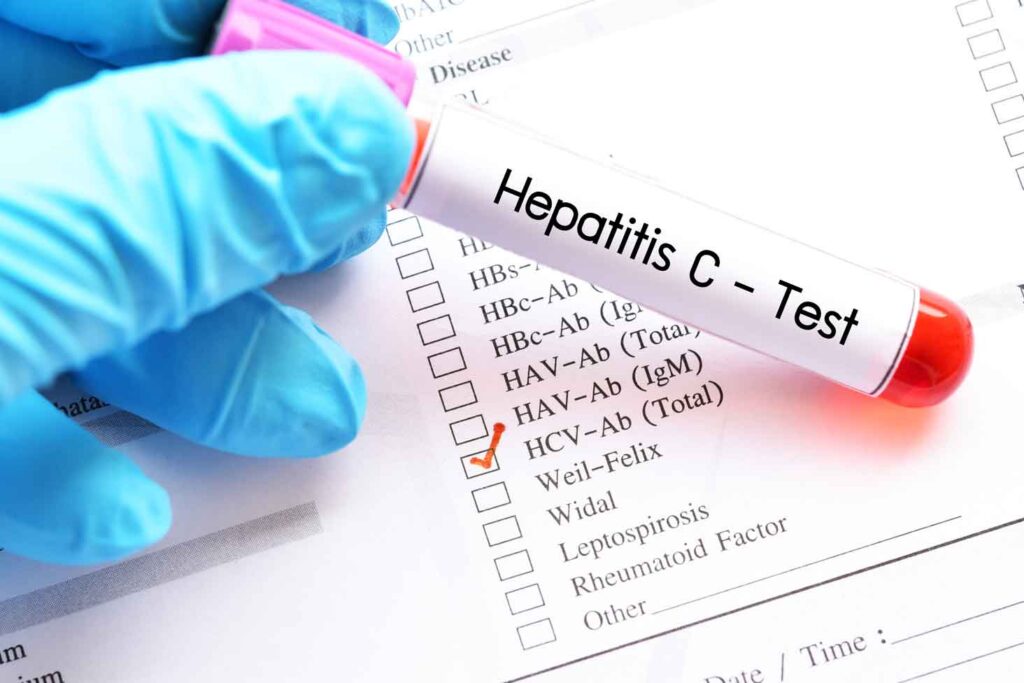
World Hepatitis Day, observed annually on 28 July, highlights the global effort to raise awareness of viral hepatitis and its profound impact on public health. The call to take individual and collection responsible action is clear.
This year’s theme, “Let’s break it down”, emphasises the deadly consequences of ignorance, delayed testing and limited access to treatment. For South Africa, where many remain unaware of their hepatitis B or C diagnoses, this theme is particularly poignant. In their recent newsletter, Dr Nkateko Msimeki and the Medscheme Health Policy Unit delved into South Africa’s hepatitis burden, its unique challenges, and potential pathways to a healthier future.
Understanding hepatitis
Hepatitis refers to inflammation of the liver caused by viral infections – specifically hepatitis A, B, C, D, and E. These viruses differ in transmission and severity. While hepatitis A and E often spread through contaminated food or water, hepatitis B, C, and D are bloodborne, transmitting through body fluids or unsafe medical practices. Chronic hepatitis B and C significantly contribute to cirrhosis and liver cancer. Despite preventive measures such as vaccinations (for hepatitis A and B), access gaps and limited routine screening leave many vulnerable to severe health complications.
South Africa’s hepatitis landscape
South Africa bears a high hepatitis burden, with chronic hepatitis B affecting an estimated 5%-7% of the population. Regions such as the Eastern Cape, KwaZulu-Natal and Limpopo experience the highest prevalence. Hepatitis C is rarer but presents significant risks among at-risk groups, such as people who inject drugs or individuals in detention. Despite the existence of curative therapies for hepatitis C, public sector access remains limited, with no nationwide screening programme in place.
Co-infection with HIV worsens outcomes as hepatitis progresses faster in people living with HIV. However, current health systems inadequately integrate hepatitis screening into HIV programmes despite their overlapping risk factors.
Gaps in public and private sector responses
South Africa’s public sector delivers hepatitis diagnostic services and HBV vaccinations through primary healthcare facilities, yet key gaps prevent comprehensive management of the disease. These include:
stock shortages of vaccines,
lack of routine hepatitis screening during antenatal visits, and
the omission of a Word Health Organisation (WHO) recommended birth dose for HBV for infants.
Although most private healthcare providers offer screening and treatments like lifesaving antiviral medications, they come at significant personal cost. Hepatitis C treatments cost around R25 000-R40 000. Without synchronised efforts, the dual health systems (public and private) perpetuate inequalities in access and care.
Helping to eliminate viral hepatitis
South Africa’s membership within the WHO Global Health Sector Strategy on Viral Hepatitis aspires to the 2030 elimination of both hepatitis B and C. These goals include reducing new infections by 90%, cutting associated deaths by 65%, and extending treatment to at least 80% of eligible patients.
However, to achieve this, systemic barriers must be dismantled through:
Awarenesscampaigns: National initiatives should destigmatise hepatitis, encouraging testing and available vaccinations.
Vaccinationexpansion: Comprehensive distribution of the birth dose can dramatically reduce mother-to-child HBV transmission.
Strengthen testingaccessibility: Expanding public health hepatitis screening will diagnose cases early and stop disease progression in key populations.
Workforceempowerment: Training public healthcare professionals to manage hepatitis locally can cut costs and reduce delayed care.
Taking action: Change starts with individual choices. Get tested, encourage vaccinations, and advocate for better screening protocols where you work.
By championing awareness and addressing inequalities in access, South Africa can progress towards eradicating hepatitis as a silent epidemic.
Click here to read Dr Nkateko Msimeki and the Medscheme Health Policy Unit’s full newsletter.