


Building a diverse, inclusive workforce
AfroCentric is committed to creating a workforce in which employees feel welcome, comfortable and engaged, with a strong sense of belonging, including an appreciation of the diverse skills and experiences every individual brings.
Nothing is more vital than promoting a culture of inclusivity and belonging. That’s why AfroCentric embraced National Disability Rights Awareness Month from 3 November to 3 December as an opportunity to reaffirm how we accommodate our differently abled employees.
We strive to ensure our differently abled employees enjoy easy access to facilities and an improved working environment, and we consistently create employment opportunities for differently abled individuals. In fact, 3.4% of our total headcount comprises differently abled employees – a strong indication of the Group’s commitment to having a diverse and inclusive workforce.
We’re always looking for ways to make the working lives of employees who have any form of disability as easy as possible.
What is a disability?

Disabilities can encompass several things, including vision and hearing impairment, autism spectrum disorders, mental health conditions, progressive chronic conditions and physical and intellectual disabilities. Remember that a disability might not be immediately obvious – such as diabetes or bipolar disorder – but that doesn’t make it less of an issue for the person experiencing it.
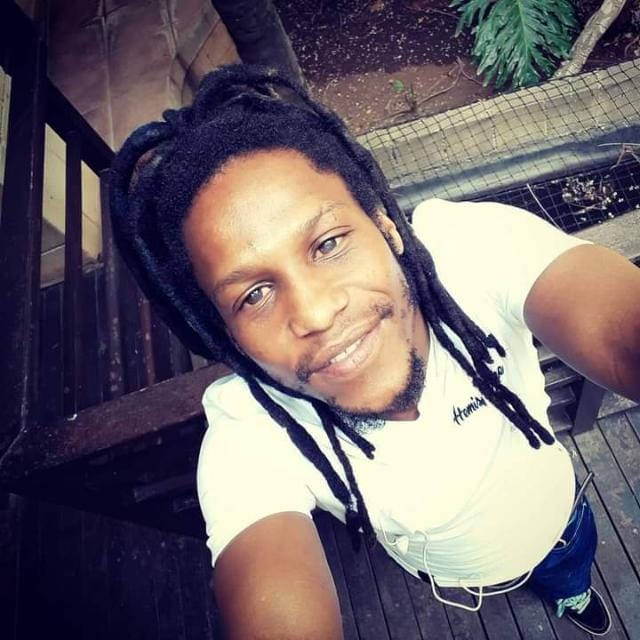
Meet Bashimane Phokojoe
Bashimane, a Leave Administrator in AfroCentric’s HC Shared Services Capacity Planning division, is partially sighted due to a condition known as keratoconus, which affects the cornea of his eyes. Bashimane has been working with the AfroCentric Group since July 2018.
Q: What do you think the business should do to better cater for differently abled employees?
A: Communicate with differently abled employees to find out how they can be accommodated in their workplace and use this information to cater for future employees who may join.
Q: What do you think employees and your colleagues could do differently or continue doing to improve the workplace for differently abled employees?
A: Ask differently abled employees about the areas they have to access in case it’s necessary to update the building and workstations. Colleagues shouldn’t be afraid to build relationships with their differently abled colleagues. They should be patient with them. If you speak to them about their disability, they will probably open up to you.
Q: Have you disclosed your disability to the business, and how did this help you?
A: Yes, I disclosed my disability to the business. They got me a bigger screen and IT assisted with computer configurations to accommodate my eyesight. The struggle I face is when allocated a workstation that is not suitable for my condition.
Q: As a differently abled person, what keeps you going?
A: I always see myself as trying to reach above my eyesight. I network with everyone to keep ubuntu/humanity ongoing.
Q: Any word of advice to fellow employees who are differently abled?
Don’t be shy to alert people so that they know about your condition. This helps the world understand us. Remember, being differently abled doesn’t stop you from achieving your desires and dreams.
What should I do if I am differently abled?

It’s important to let your line manager, Human Capital or EE consultant know that you have a disability so they can ensure that the workplace can accommodate your needs.
Follow these steps when declaring your disability:
- Get a medical certificate from your medical practitioner confirming your disability.
- Click here to access the EEA1 form and complete the form.
- Submit your completed EEA1 form along with your medical certificate to disabilitystatus@medscheme.co.za.
All information provided to Human Capital will be treated with the highest confidentiality, unless you give consent for it to be shared.
