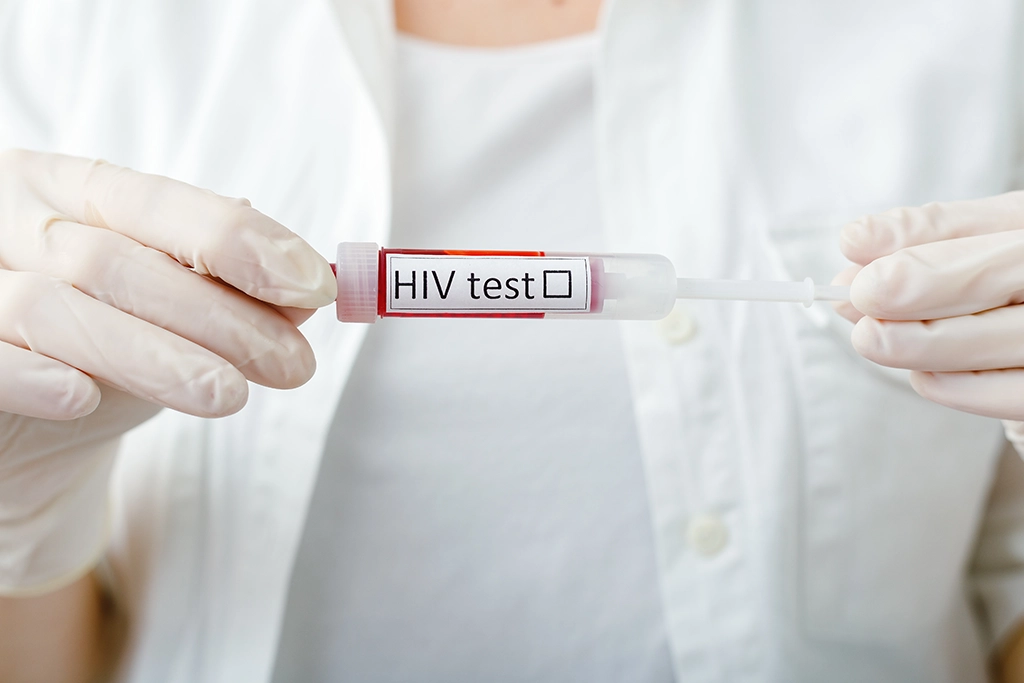
World AIDS Day, observed on 1 December, is dedicated to raising awareness about the AIDS pandemic caused by the spread of HIV infection and mourning those who have died of the disease. Established in 1988, it was the first-ever global health day.
Africa remains the continent most severely affected by HIV/AIDS, with more than 25 million people living with the virus and accounting for more than two-thirds of the global total. Sub-Saharan Africa, in particular, bears the brunt of the epidemic, with countries such as South Africa, Nigeria and Mozambique having some of the highest prevalence rates.
Despite daunting statistics, South Africa has made significant strides in combating the epidemic through comprehensive treatment and prevention programs.
SA leads the charge
There have been remarkable advances in HIV treatment protocols over the past few decades, with Anti-Retroviral Therapy (ART) at the forefront of it. Involving a combination of HIV medicines to suppress the virus and stop the progression of the disease, when taken consistently, ART can reduce the viral load in a person’s body to undetectable levels. This significantly lowers the risk of transmission and improves the quality of life for those living with HIV.
South Africa has been a leader in the implementation of ART programmes, first launching in 2004 and going on to become the largest ART programme in the world. By the end of 2020, over 5,4 million people were receiving ART in South Africa.
One of the key successes in South Africa’s fight against HIV/AIDS has been the integration of ART with other health services, such as tuberculosis (TB) treatment and maternal and child health services. This has improved health outcomes and ensured that more people have access to life-saving treatment.
South Africa has also made strides in the prevention of mother-to-child transmission (PMTCT) of HIV, implementing comprehensive PMTCT programmes that provide ART to pregnant women living with HIV, reducing the risk of transmission to their babies. As a result, the rate of mother-to-child transmission has dropped significantly.
Know your status
We encourage all employees to regularly go for screening and testing.
Advancements in HIV treatment
Significant advancements in HIV treatment were highlighted at the 2024 Conference on Retroviruses and Opportunistic Infections (CROI). These advancements are still undergoing clinical trials.
Injectable HIV treatment in Africa: A large clinical trial in Africa is testing to see if injectable HIV treatment is as effective in maintaining viral suppression as standard oral antiretroviral treatment.
Once-weekly oral HIV treatment: A phase 2 study presented at CROI 2024 showed that a once-weekly oral regimen of two specific medications can keep HIV suppressed as effectively as daily pills.
Broadly neutralising antibodies: Scientists are exploring these as potential partners for long-acting antiretrovirals.
New drug candidates: Scientists at the University of Pittsburgh School of Medicine in the US identified drug candidates that show promise in reversing the ability of HIV to escape detection by the immune system.
Anti-retroviral and immunotherapy: A clinical trial by researchers at the UNC School of Medicine suggest a combination of a particular drug and immunotherapy can coax HIV-infected cells out of latency and target them for destruction, shrinking the HIV reservoir.
Sources
Aidsmap - Islatravir plus lenacapavir could be first once-weekly oral HIV treatment
Aidsmap - Top 5 HIV treatment stories from CROI 2024
UNC Healthcare - New trial highlights incremental progress towards a cure for HIV-1