The Chikungunya virus (CHIKV) has resurfaced as a global public health concern, with South Africa recording 10 travel-related cases since July 2025.
Originally identified in Tanzania in 1952, outbreaks of this mosquito-borne virus have increased significantly since 2004 due to evolving viral traits and external drivers such as climate change and increased global travel. By 2025, over 110 countries reported cases. The Centers for Disease Control and Prevention flagged 46 cases in the United States this year, along with more than 10 000 cases in China.
According to Dr Nkateko Msimeki and the Medscheme Health Policy Unit’s recent newsletter, the 10 cases in South Africa were traced back to regions such as Kenya and the Indian Ocean islands.
What sets Chikungunya apart?
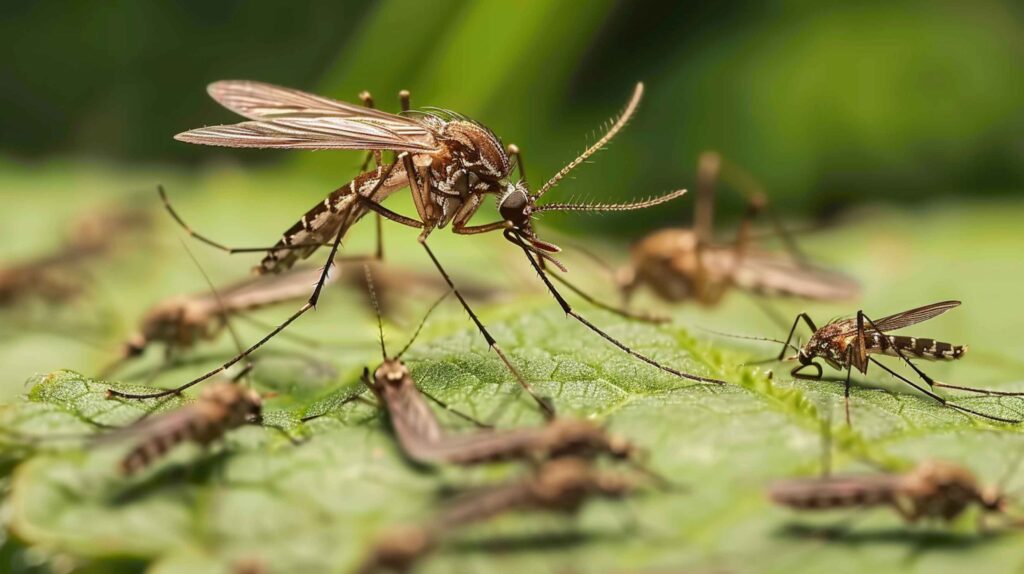
CHIKV spreads through the bites of infected “Aedes aegypti” and “Aedes albopictus” mosquitoes, commonly found in tropical and subtropical areas. While the virus spreads exclusively through mosquito bites (not human-to-human contact), it has adapted to be more transmissible among mosquitoes.
Symptoms include:
fever
muscle aches
headaches
fatigue
joint discomfort
Rare complications such as paralysis, heart failure or vision impairment may affect vulnerable individuals.
South Africa’s reality
With our diverse climate and expanding urbanisation, South Africa isn’t impervious to mosquito-borne threats like CHIKV. As global warming extends mosquito habitats and as South Africans travel more, the risk grows. Currently, CHIKV vaccines are not available locally, leaving prevention as the best strategy.
Staying ahead of the bite
Preventative measures to combat infection include:
Wearing long-sleeved clothing
Using mosquito repellents
Eliminating stagnant water around homes
Sleeping under treated mosquito nets
Remember, if travelling to mosquito prone areas, remain vigilant and take as many precautions as possible.
Click here to read Dr Nkateko Msimeki and the Medscheme Health Policy Unit’s full newsletter on CHIKV.