



This is how we’re celebrating our heritage
AfroCentric colleagues share what Heritage Day means to them and what they do to mark this important day.
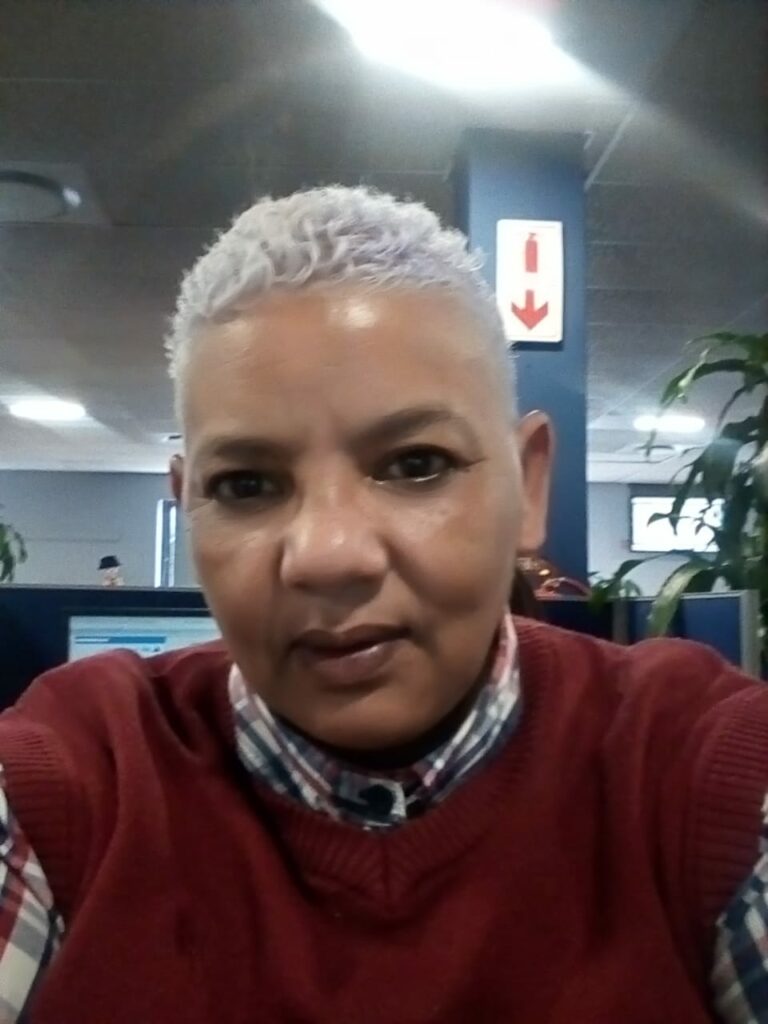
Fayga Morgan, a Case Manager and Registered Nurse, works in the centralised HBM unit. Her home language is Afrikaans.
What additional languages have you learnt?
I learnt English at school and I’ve learnt both Setswana and Sesotho over my 27 years of work experience as a nurse, living in diverse areas with diverse cultures.
How would you explain South Africans’ Heritage Day celebrations to someone from another continent?
We celebrate our heritage on 24 September each year by cooking our cultural foods and dishes and dressing up, and everything is just colourful and beautiful. If you come from a specific international culture, you may dress up to represent that culture or any of the cultures in South Africa. We have outdoor braais (barbecues) and we just have a lekker (wonderful) time.
What makes Heritage Day special to you?
It’s important and good to know my roots and where I come from. While smart technology seems to transform everything around us, our culture remains the same and no one can take that away from us.
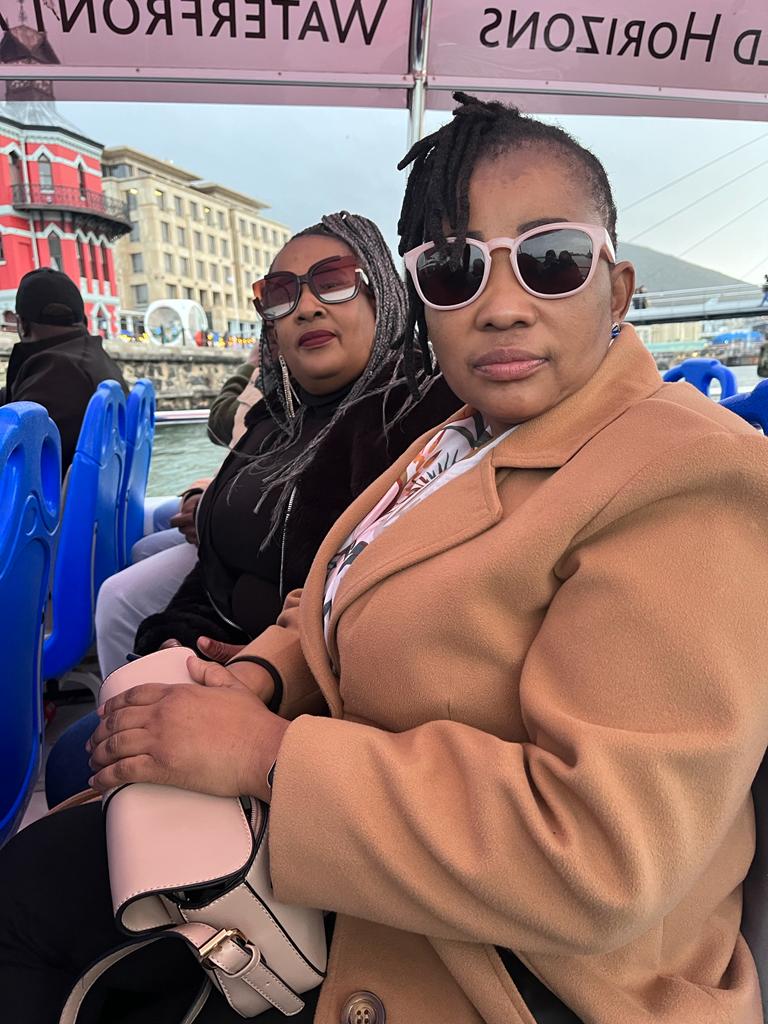
Lorato Morwagae works at Medscheme Kathu. Her home language is Setswana.
What additional languages have you learnt?
I can also speak Afrikaans, which I learnt in the Northern Cape; South Sotho, which I learnt in the Free State; a bit of isiXhosa because of my family that side; and isiZulu, which I’ve learnt through my friends from living in Gauteng.
How would you explain South Africans’ Heritage Day celebrations to someone from another continent?
Heritage Day gives us the chance to appreciate our nation’s immense cultural wealth.
South Africans are encouraged to celebrate the day by honouring the heritage of the many cultures that make up our nation. Living our heritage plays a key role in promoting cultural diversity, social, reconciliation, peace and economic development.
What makes Heritage Day special to you?
What we have inherited from the past, we value and enjoy in the present and aim to preserve and pass on to future generations – like teaching my kids how to make ting ya mabele porridge that you enjoy with braai meat.
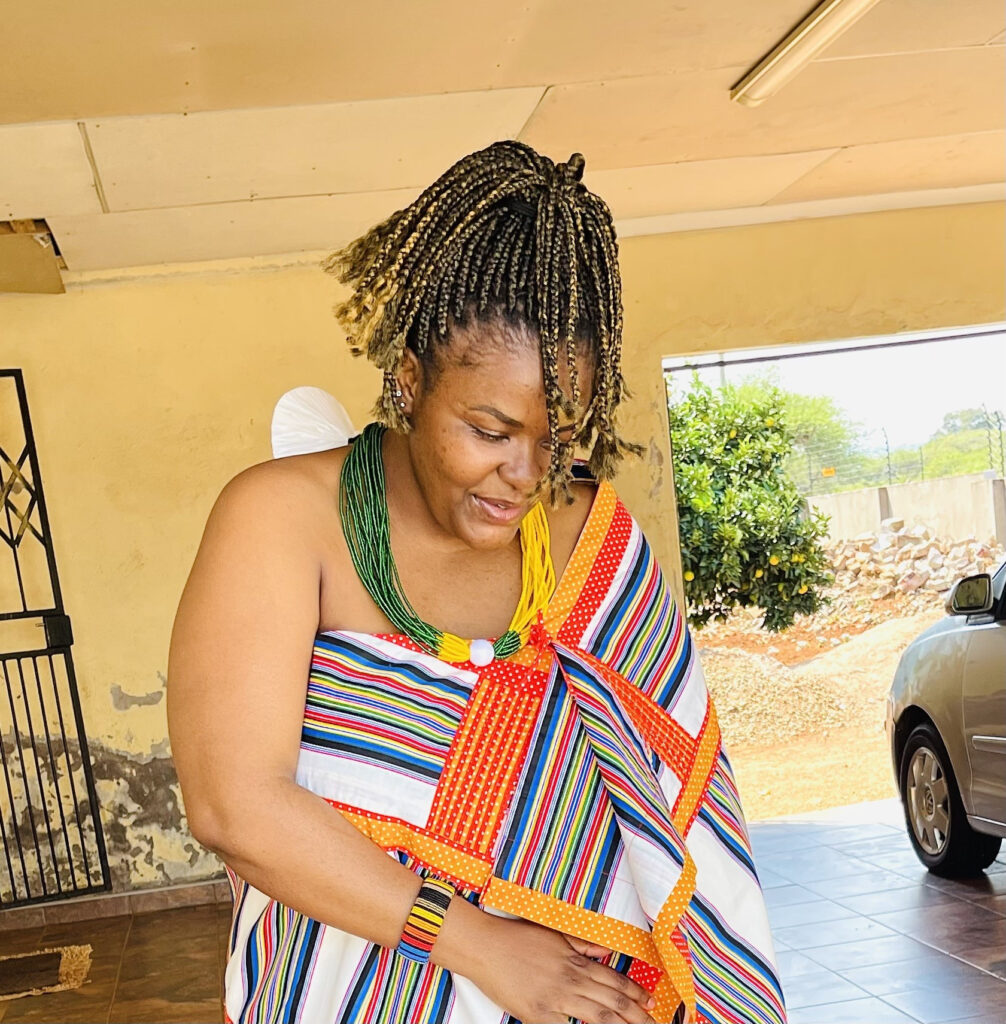
Mudzuli Netshifhefhe, a Clinical Quality Assurance Coach, works at GEMS HIV. Her home language is Tshivenda.
What additional languages have you learnt?
Sepedi. I stayed in Modimolle for a few years when my mom was transferred there for work. I never forgot the language. I also know Xitsonga – one of my best friends taught me. When I moved to Roodepoort, I needed a house mate and found Tears, who taught me how to speak isiZulu.
How would you explain South Africans’ Heritage Day celebrations to someone from another continent?
In South Africa, Heritage Day is also known as Braai Day. At home we visit my uncle, who has a huge lapa and a swimming pool. We wake up very early to head there. We prep our favourite salads: chakalaka, atchar and potato salads. We have pap and a lot of meat. Variety upon variety. Those who drink will have their favourite drinks and the kids will just have a blast snacking and swimming, because by the time Heritage Day arrives on 24 September, it’s warm in Limpopo already.
What makes Heritage Day special to you?
It’s a special day to me because it is the one day besides Christmas or family gatherings that we all get together. This is because family is everything and more to me. We talk. We play our favourite songs: Makhadzi on top! And everyone takes lots of pictures.
