



Peak performance on Kilimanjaro
In July, Hunadi Madisha, GEMS Alternative to Hospital Case Manager, climbed Kilimanjaro, the tallest mountain in Africa. Her gruelling trek took hard work and rigorous preparation, and ultimately showed the power of dedication. The GEMS HEM Team is immensely proud of her.
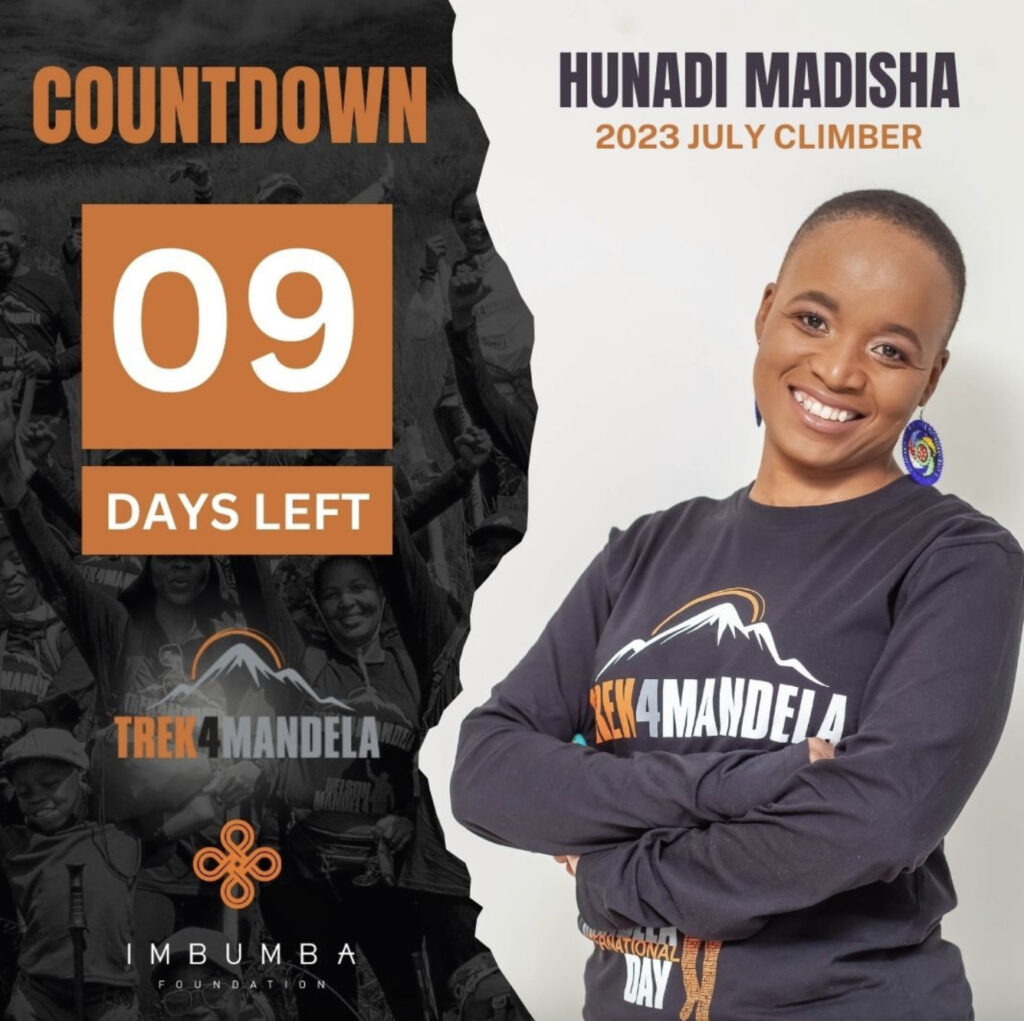
“From February to July, I went to gym five times a week, and once a month I went for compulsory training, courtesy of the Imbumba Foundation,” Hunadi says about her intense training regimen.
“I hiked trails in the Suikerbosrand, Rustig, Kings Kloof, Drakensberg and around the Hennops River. Every Sunday, I’d take on the Westcliff Stairs.”
Day 1
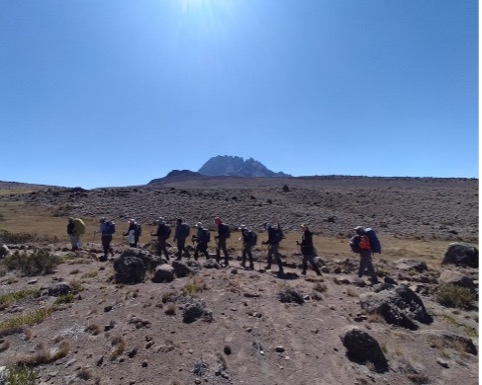
I arrived in Tanzania on 1 July, and the tour officially started the following day, when we walked from Marangu Gate (1 879m above sea level) to Mandara Hut (2 720m above sea level). This 9km walk took between six and seven hours.
Day 2
Mandara Hut to Horombo Hut (3 720m above sea level). This took us about 10 hours.
Day 3
Acclimatisation day was a hike from Horombo (3 720m to 4 720m above sea level) and back again – four hours’ ascent and two hours’ descent.
Day 4
We travelled all day from Horombo Camp to Kibo Camp, where we stopped, had supper and went to bed at about 7pm for some rest. We woke up at 10pm that same evening to start our final journey.
We left Kibo Camp around 11pm and walked all night.
At 10:10am on 17 July, we arrived at Uhuru Peak, the summit of Kilimanjaro, at about 5 895m above sea level. I was emotional because I surprised myself with my achievement. We spent less than 30 minutes at Uhuru, to take pictures. You can only spend a limited time at the peak due to the high altitude.
Day 5
From Uhuru Peak we walked back to Kibo Camp, had lunch and returned to Horombo Camp, where we slept for the night.
Day 6
We completed the final stretch, walking from Horombo Camp to Marangu Gate, about 20km, where we were presented with certificates of achievement.
Cold air, warm hearts
It was extremely cold on the mountain. Luckily we had special gear on our summit night. Sunrise was a bonus because the heat from the sun helped with the cold weather. I had three pairs of socks, pants, jackets and thermal vests, and I was still feeling cold.
At midnight I was missing my warm bed, and I told myself that I am here for a mission: nothing would stop me from going forward, unless my body decided otherwise because of high altitude. Fortunately, I did not have any issues with the altitude.
On our journey we had a medical doctor until Kibo Camp, and he was monitoring our vital signs and how we coped with the high altitude. We had people who suffered from minor altitude sickness, with symptoms including nausea and vomiting.
The experience was amazing. The friendly, patient porters and staff at Kilimanjaro reminded us to appreciate what we have and treat people with respect. “A person is a person because of people,” they said.
There are things we take for granted as human beings. One of the porters/guides said to us: “I am happy you came because I am going to have work and my family will have food to eat.” Most of them farm coffee, banana, maize meal, etc. to support their families.
