International health awareness days shine an important spotlight on prevalent and sometimes less known health issues, encouraging us to look after our physical and mental wellbeing.
World Breast Feeding Week
(1-7 August)
World Breast Feeding Week, first introduced by the World Health Organization in 1992, aims to improve the health of babies by promoting the benefits of breast feeding, and also protects and supports women’s rights to breast feed anywhere and at any time.
This year’s theme was “Closing the Gap: Breastfeeding Support for All”. It celebrated breastfeeding mums in all their diversity, throughout their breastfeeding journeys, while showcasing the ways families, societies, communities and health workers can support breastfeeding mothers.
National Women’s Day
(9 August)
South Africa commemorated National Women’s Day and Women’s Month in August, paying tribute to the more than 20 000 women who marched to the Union Buildings in Pretoria on 9 August 1956 to protest apartheid era pass laws, which restricted their human right to freedom of movement.
National Women’s Day is also a reminder of the important contributions women make to society, and highlights the importance of advancing women’s rights.
African Traditional Medicine Week
(26-31 August)
Traditional African medicine has an important role to play in holistic patient care, with about 80% of Africa’s population relying on it for basic healthcare needs.
The discipline refers to health practices, approaches, knowledge and beliefs incorporating plant, animal and mineral based medicines, spiritual therapies, manual techniques and exercises.
Every year in August, South Africans celebrate the important role African Traditional medicine plays in a diverse and inclusive healthcare field.
National Attention Deficit Hyperactivity Disorder (ADHD) Day
(14 September)
Attention Deficit Hyperactivity Disorder (ADHD) is one of the most common childhood brain disorders and can continue into adulthood.
Symptoms such as difficulty focusing or paying attention, uncontrollable behaviour and over-activity can make it difficult for children to manage school or home tasks, or event to get on with other children.
ADHD Day aims to educate the public, parents, caregivers and teachers to the importance of early diagnosis and effective treatment, as well as to reduce the stigma and provide support to children and their families.
World Alzheimer’s Day
(21 September)
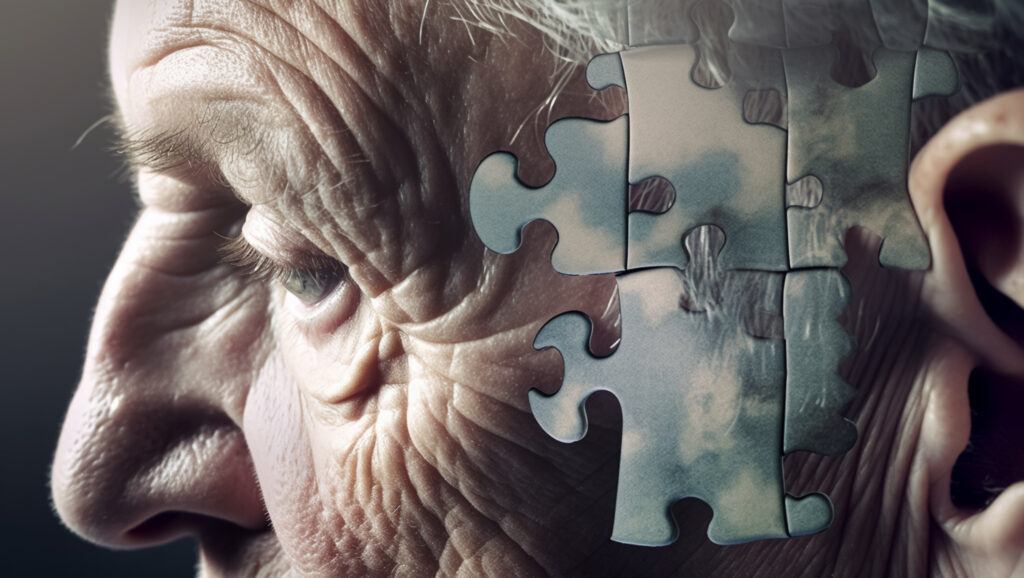
World Alzheimer’s Day is observed across the globe to raise awareness around Alzheimer’s and dementia. Its aim is to educate people about and destigmatise this brain disorder.
This year’s theme, “Time to Act on Dementia, Time to Act on Alzheimer’s”, highlights the importance of early diagnosis so that patients can get the correct treatment for symptoms, and so that their families and caregivers have the support they need.
Alzheimer’s slowly destroys memory and cognitive ability, and eventually also the ability to carry out the simplest tasks. In most people with Alzheimer’s, symptoms appear later in life.
World Pharmacists Day
(25 September)
World Pharmacists Day celebrates the profession and its contributions to improving health around the world. The theme for World Pharmacists Day 2024 is “Pharmacists: Meeting Global Health Needs”. It highlights the increasingly international and multi-dimensional health challenges facing the world, and the need to eliminate inequalities in access to healthcare.
Pharmacists are often the first point of contact for patients who have questions about their medications or health, which underscores the important role pharmacists play in equitable, accessible healthcare.
World Rabies Day
(28 September)
World Rabies Day, organised by the Global Alliance for Rabies Control, raises awareness and advocates for the global elimination of rabies, a zoonotic viral infection that affects the central nervous system. While the disease is reported in wild and domestic animals, most cases in South Africa stem from pet dogs, which is why it’s important that dogs be vaccinated.
The day also commemorates French scientist Louis Pasteur, whose work led to the development of the rabies vaccine.
World Heart Day
(29 September)
Cardiovascular or heart disease is the leading cause of death across the world. Conditions affecting the heart or blood vessels – such as a heart attack, stroke and heart failure – kill more than 20,5 million people every year.
World Heart Day has become the biggest global awareness campaign for cardiovascular disease. This year’s campaign, themed “Use Heart for Action”, encourages individuals to care for their heart and urges leaders to take threats to cardiovascular health seriously.
Be sure to read our article, Love your Heart, which is filled with information about heart health.
Breast Cancer Awareness Month
(October)
Breast cancer is one of the most common cancers among women in South Africa and early detection is key to positive treatment outcomes. Although the disease predominantly affects woman, it can also affect men.
Breast Cancer Awareness Month focuses the conversation on educating people about breast cancer risks.
Read our article, Think Pink for Breast Cancer, for more about what breast cancer is, the warning signs, and things you can do to improve your overall wellness.
Mental health Awareness Month
(October)
October is Mental Health Awareness Month, which aims to educate the public about mental health and reduce the stigma and discrimination that people with mental illness are often subjected to.
Very few South Africans seek treatment for mental disorders, but just being mindful of some of the more prevalent conditions can help us to be inclusive and supportive of colleagues, friends or family who might be struggling.
Read our article, Mindful of Mental Health, for insight into mental health conditions and how you can be more inclusive and understanding.